




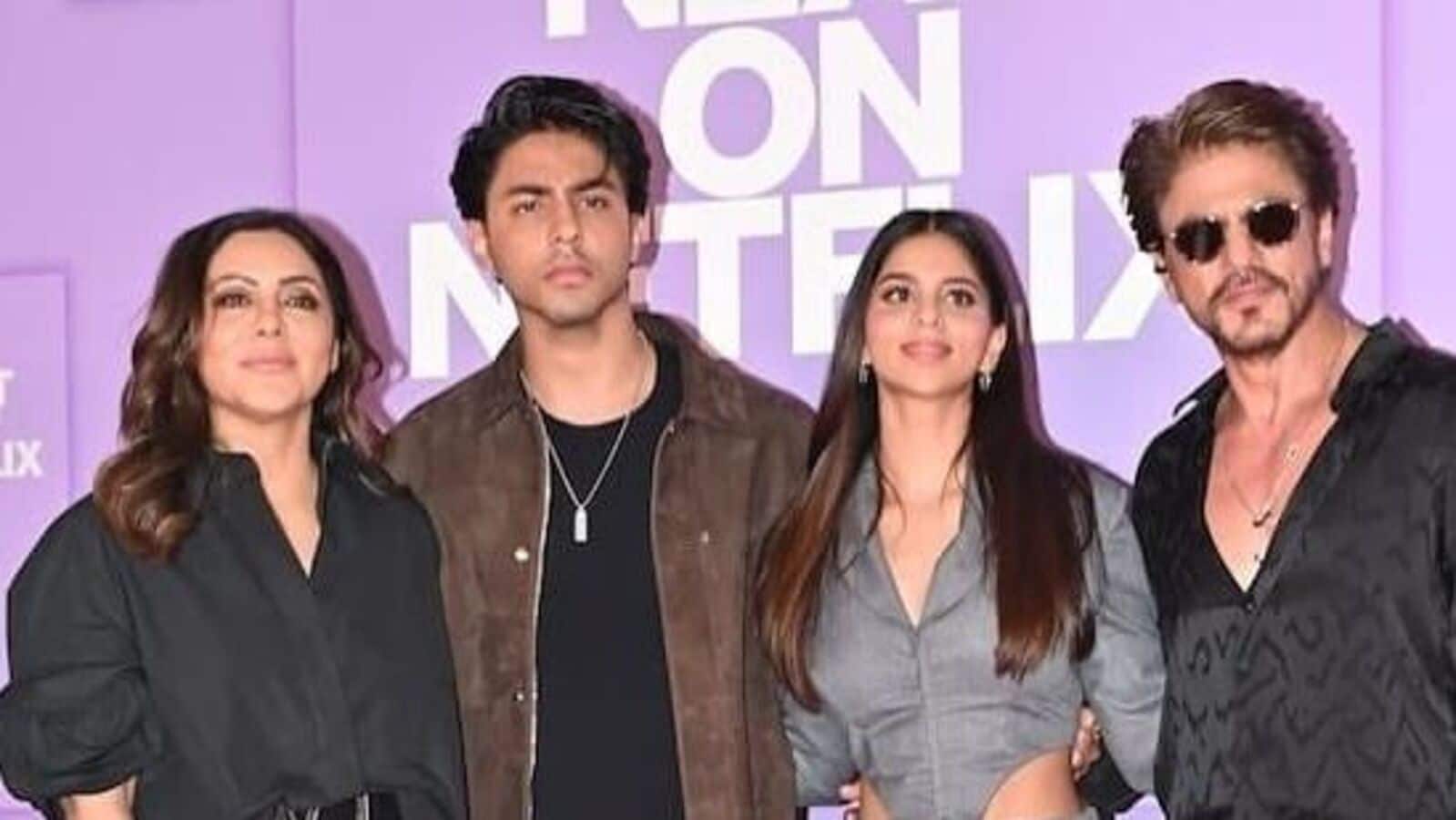
Suhana Khan, Junaid Khan, Khushi Kapoor and Ibrahim Ali Khan debuted in original Netflix films, while Aryan Khan is set to make his directorial debut on the same platform.
Entertainment industry experts say while the nepotism debate cannot be avoided entirely, shifting to OTT provides a way to control the narrative, allowing for a less harsh debut without the concern of a commercial flop. It helps them undergo a gradual, controlled introduction to audiences, while reducing the risk of a backlash affecting their early careers.
“Unlike theatrical films, which are judged by their opening day box office numbers, an OTT release offers a safety net where success and failure are evaluated internally by metrics like viewership and engagement, not publicly visible box office collections,” said Ushmi Desai, visual communication designer at BC Web Wise, a digital marketing agency.
Public backlash in the form of trolling remains a challenge, but the lack of quantifiable public failures, like box office numbers, allows star kids to build their careers without immediate career-killing consequences, Desai added.
In the past two years, star kids such as Suhana Khan, Junaid Khan, Ibrahim Ali Khan, and Khushi Kapoor have made their acting debuts on OTT, while others such as Rasha Thadani (actress Raveena Tandon’s daughter) and Aaman Devgn (Ajay Devgn’s nephew) have appeared in theatrically released films.
However, as an exception, Saiyaara, the big screen debut of Ahaan Panday (cousin to Ananya Panday and nephew to Chunky Panday), has crossed ₹330 crore in box office collections.
Banking on star parents
Streaming services also bank on the star power of the parent to market these shows and films, which are anyway mid-budget titles, at a time when it is challenging for any content to break through the clutter.
The decision to make a debut on OTT rather than cinemas may also have to do with other stakeholders in the film production and distribution business which isn’t doing well enough for these bets to be taken, according to Shubhangi Bhatia, strategy consultant at BOD Consulting.
Actors without film connections usually have to crack auditions, whether for OTT or theatrical films, and often see OTT as a stepping stone to cinema.
“Star kids want to make big debuts but the circumstances (business-wise) may not allow it. For OTTs, on the other hand, this would fall into a positive investment category given the opportunity to associate with the brand of a star (say, a Shah Rukh Khan whose children may be making their debut),” Bhatia explained.
A senior executive at a streaming platform called it a win-win strategy from both a PR and business perspective. “These shows and films anyway do not cost an arm or leg. Plus, they help build long-term relationships with the star parents and come with endorsements from other celebrity friends and media interest,” the executive added.
Marketing strategies for star kid debuts on OTT platforms are designed to capitalize on the inherent brand equity that these stars bring. For instance, Netflix’s campaign for The Archies (the original film starring Suhana Khan, Agastya Nanda and Khushi Kapoor) involved an international announcement at the Tudum fan event in São Paulo, Brazil, followed by extensive collaborations with youth-centric brands like Starbucks and Maybelline.
These brand partnerships were not mere endorsements but crafted experiences meant to create ‘shareable moments’ on social media, targeting the Gen Z audience, according to industry experts.
Creating digital buzz around star kids often benefits OTTs with initial viewership, while eventual feedback depends on word-of-mouth around content. The Archies clocked in viewership of 5.2 million in the first week of release, according to data from media consulting firm Ormax. It also ranked in the top five web originals of the same week. Nadaaniyan, starring Ibrahim Ali Khan, features in the mid-year list of Ormax’s top 50 streaming originals for 2025, with viewership of 8.9 million.
Compared to theatrical releases, OTT marketing often leans into a digital-first strategy, engaging viewers through viral challenges, influencer partnerships, and high-impact social media campaigns.
The Maharaj launch, on the other hand, took a more restrained approach, focusing on Junaid Khan’s (actor Aamir Khan’s son) acting skills rather than his lineage.
“This contrasts with traditional theatrical marketing, where the focus is typically on larger-than-life posters, big-budget trailers, and media tours. The OTT approach is more dynamic, with content specifically tailored to drive engagement over a longer period, leveraging the power of digital platforms to spark ongoing conversations,” Desai explained.
However, streaming releases rarely generate the kind of buzz that accompanies a big theatrical release.
The collective experience of a theatrical release, shared viewing in cinemas, social media post-movie discussions, and cultural references create a lasting impact on the audience. Meanwhile, OTT titles often benefit from slow-burning word-of-mouth and platform recommendations.
“These projects are often mid-to-low budget and carry a built-in promotional advantage: viewer curiosity about star kids helps with sales to platforms,” said Aman Narula, chief operating officer, Mad Influence, an influencer marketing agency.
While many shows can be considered a mid-range investment, the returns on star kid projects are often more significant and require easier marketing than those featuring completely unfamiliar faces, which have to be promoted from scratch.
“While OTT budgets are being trimmed, some shows now cost as little as ₹30 lakh to ₹1 crore per episode, and star kid projects may sit in the middle range of investment. That built-in buzz improves the chance of breaking even, but they’re not guaranteed hits without strong content and promotion,” Narula added.