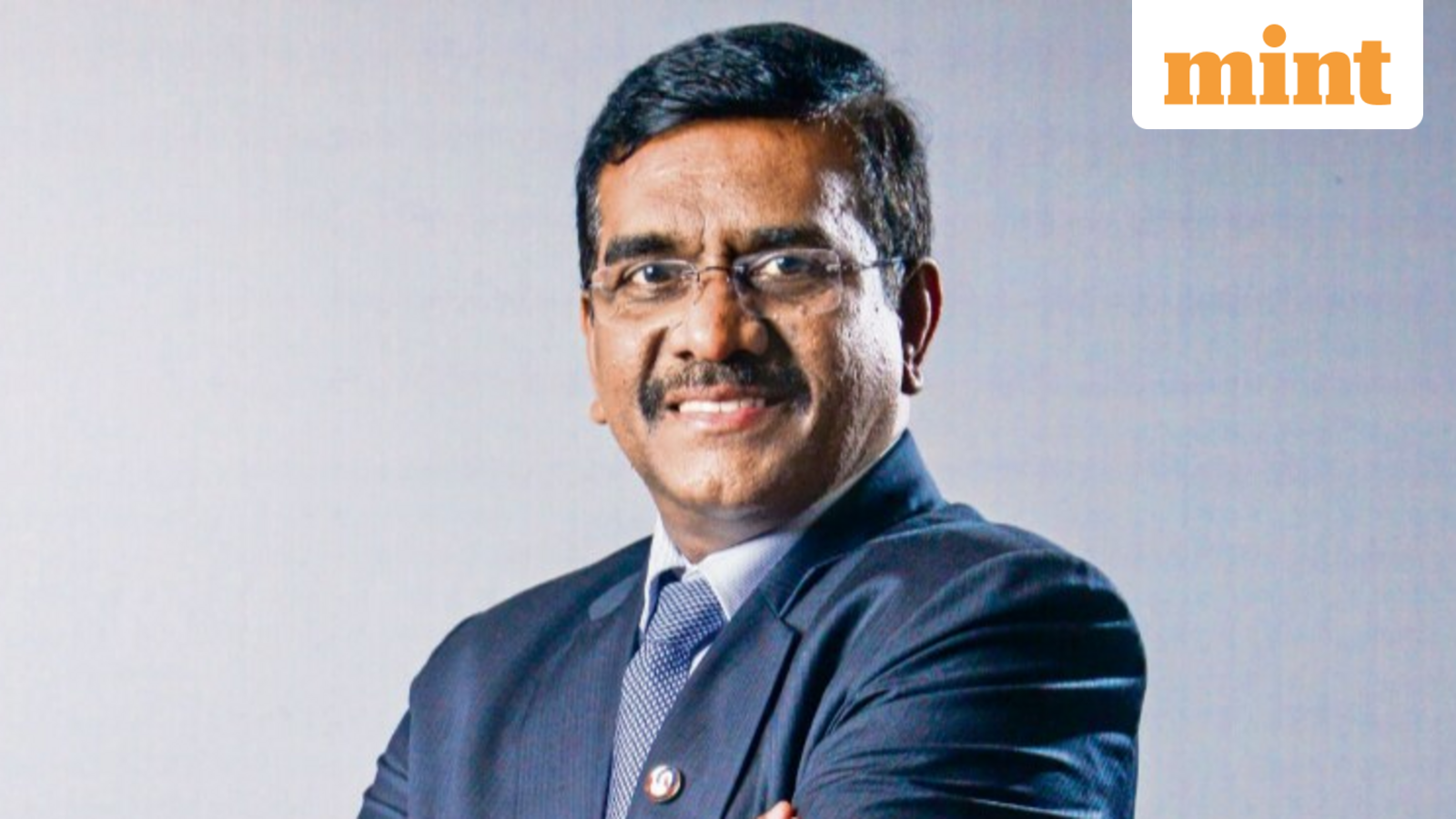




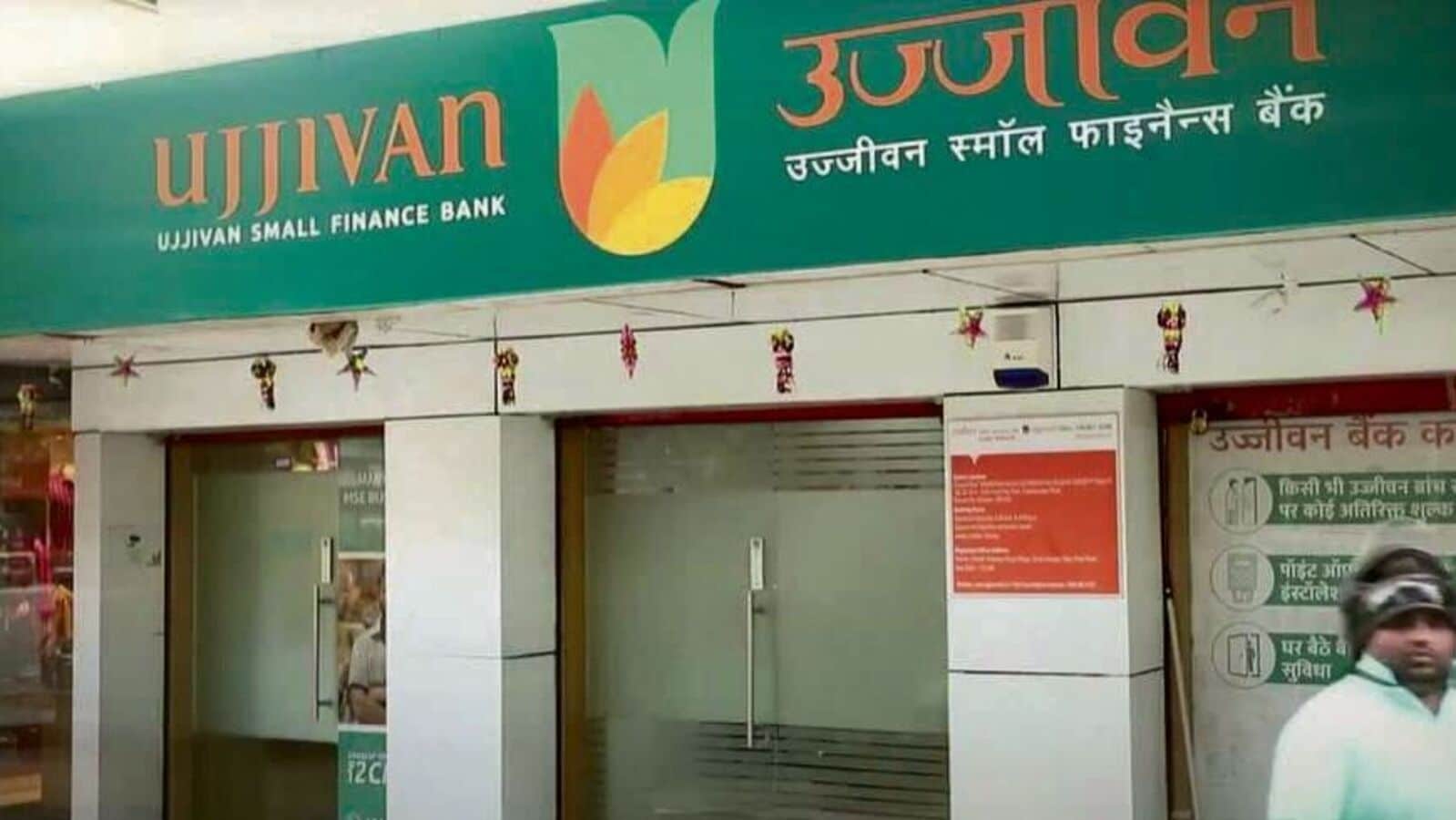
Mumbai: Ujjivan Small Finance Bank hopes the Reserve Bank of India (RBI) will decide on its application for a universal banking licence by December, its managing director and chief executive officer (CEO) Sanjeev Nautiyal said.
The RBI issued small finance bank licences to 10 applicants, including Equitas Small Finance Bank Ltd, AU Small Finance Bank Ltd, and Ujjivan Small Finance Bank Ltd, in 2016 to boost financial inclusion through mandatory rural branches and small-ticket loans. Universal banks, by comparison, can offer a broad range of services, including big corporate loans, investment banking, and insurance services.
“It is our internal assessment that by December, RBI might come up with a decision and the decision can be a yes and it can also not be yes… maybe by December, RBI could, it could also go beyond December. So, it is a timeline where we cannot dictate,” Nautiyal told Mint in an interview on Monday.
Mint reported in August that AU Small Finance Bank became the first lender in a decade to secure RBI’s in-principle approval to transition to a universal bank.
In 2024, the RBI laid down the eligibility criteria for such transitions, requiring listed small finance banks with a minimum net worth of ₹1,000 crore, a profitable track record for the last two years, and at least five years of operations. The Bengaluru-based Ujjivan Small Finance Bank, which applied for a universal licence in February, is awaiting the regulator’s decision.
If the licence is granted, Ujjivan expects to benefit from relaxed regulatory requirements and a broader operating canvas. “Immediate changes…. will be the capital adequacy ratio going down from 15% to 11.5% and the priority sector lending target reducing to 40% from the current 60%,” Nautiyal said. The transition would also remove ticket-size restrictions, make the bank eligible for co-lending and securitisation, and allow the opening of subsidiaries. “If you become a universal bank, then you are competing with bigger people, with bigger actors. You would like to overhaul yourself much faster, become more efficient… and grow your balance sheet at an appropriate pace,” he added.
Portfolio rebalancing
By 2030, Ujjivan expects to rebalance its portfolio with a sharper tilt towards secured products.
“30% will be microfinance… Around 25% should be housing, which is affordable housing and micro mortgages,” Nautiyal said, adding that micro, small, and medium enterprises (MSME) loans would account for about 20% of the book. The remaining 25% will be spread across vehicle, gold, agriculture and financial institution group (FIG) lending. The bank also plans to enter mid-corporate lending, which Nautiyal described as an important growth lever.
Nautiyal said Ujjivan deliberately took a conservative approach in its microfinance business amid industry-wide stress. “There were a lot of headwinds, there was a lot of over-leveraging that had happened. So, we de-grew our book,” he said. While the industry saw a decline in the June quarter, Ujjivan largely held its ground, with disbursements nearly matching the strong March quarter. Collections are also improving, and Nautiyal expects the second half of the financial year to bring “optimisim to microfinance players to a large extent”, paving the way for gradual normalization.
He said that the stress in the microfinance segment has largely peaked, though the lender remains cautious in select geographies. “Barring Karnataka and Tamil Nadu, which we are still watchful, most other territories are operating more or less normally,” he said, adding that slippages in Karnataka peaked in the June quarter, while other states like Gujarat, Odisha and Kerala are under watch.
On the liabilities side, Nautiyal reiterated that deposit mobilisation is not a challenge, but reducing cost of funds remains a focus. Ujjivan has cut term deposit rates by as much as 105 basis points since February, with the peak rate now at 7.45%. “The benefit of lower deposit costs will play out over the next 8-9 months as high-cost deposits mature,” he said. The low-cost current account, savings account (CASA) deposits, which stood at 24% in June, is targeted to rise to 27% by year end.
Margins, however, remain under pressure. Net interest margin (NIM) fell to 7.7% in Q1 from 8.3% in March quarter, driven by a shift towards secured assets and some one-off items.
Nautiyal said that repricing of microfinance loans in April and growth in higher-yielding products such as vehicle, gold, and micro-mortgages should help offset some of the impact. “Because our secured book is growing, directionally the NIM will keep reducing, but to that extent, it will also be protected by the high-yield segments,” he said.
He added that overall advances are projected to grow 20-22% this year, led by a 35% expansion in secured loans. To support this growth, the bank may look to raise about ₹2,000 crore by selling shares through the qualified institutional placement route in 18-24 months.
Looking ahead, Nautiyal said Ujjivan aims to position itself as a diversified bank catering not just to its traditional mass customers, but also to emerging and mass-affluent segments. “We will continue to serve the people we know how to serve, but we will also go up because the economic shift is happening,” he said.