



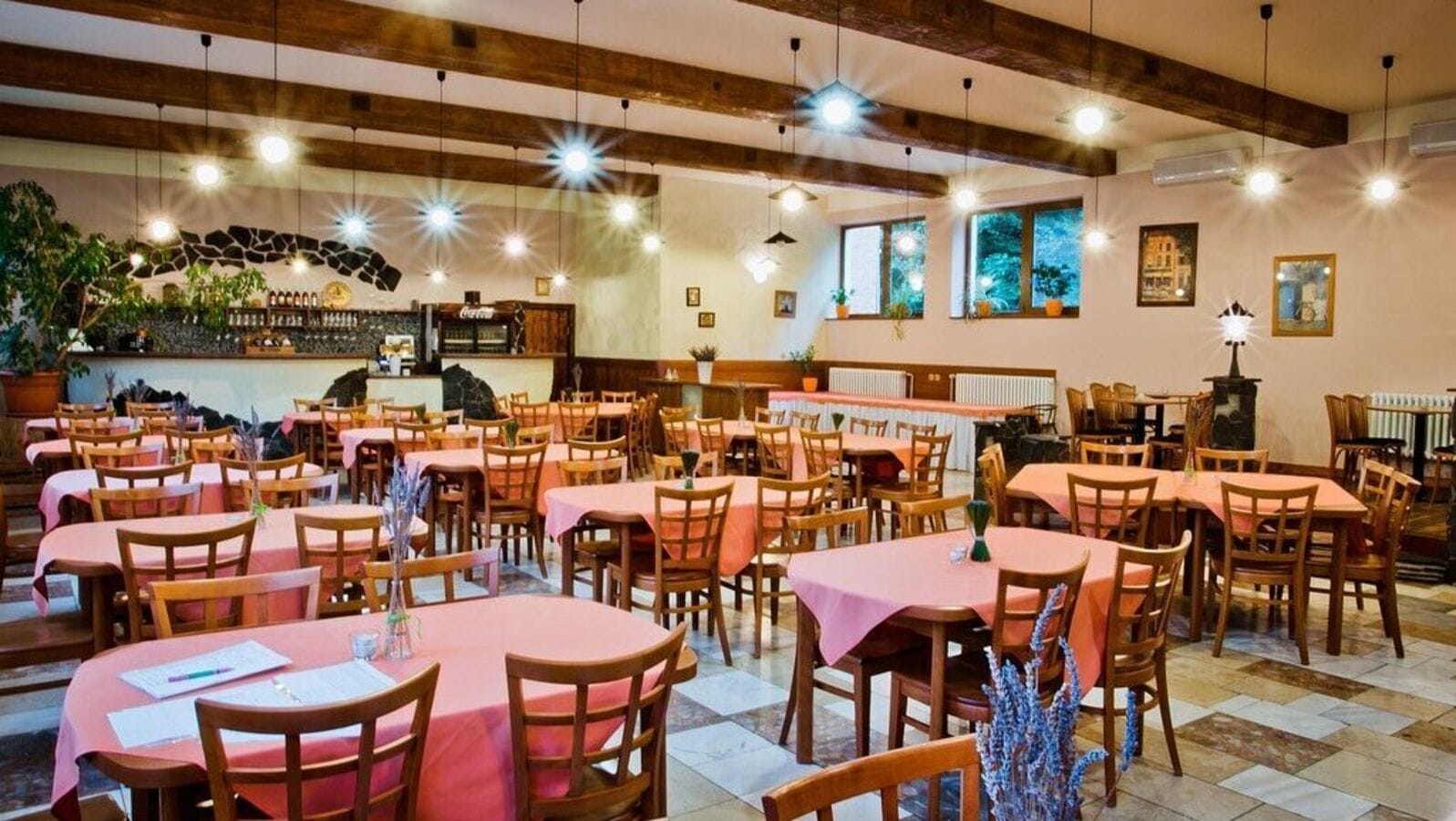
Mumbai: Restaurants and hotel chains expect a boost in their revenues as taxes are set to decrease on hotel rooms priced below ₹7,500 and on crucial inputs such as processed food and utensils.
However, industry executives and analysts say the overall effect could be limited as the GST Council did not extend input tax credit to restaurants on the goods and services they buy—a key industry demand.
Goods and services tax (GST) on budget and mid-priced hotel chains has also been slashed, from the previous 12% rate to 5%, but without input tax credit.
“Restaurants will have two major benefits from this,” Pranav Rungta, vice president of the National Restaurant Association of India, told Mint. “The cost of input purchases, where we don’t get input tax credit anyway, will drop by 7%. This will benefit QSRs [quick service restaurants] more as they use a lot of processed foods, which were in the 12% tax slab until now.”
Other restaurant inputs whose costs will reduce include utensils, other kitchen goods, and packaging materials, some of which will now be taxed at 5% instead of 12%. “These inputs together than can account for up to 30% of total costs for restaurants, especially casual and QSR chains. In total, topline savings for restaurants can be between 0.5-1.5%,” Rungta said.
Shares of QSR operators rose during trade today. Shares of Devyani International, which operates brands like KFC and Pizza Hut, closed 2.7% higher, while Domino’s Pizza operator Jubilant FoodWorks jumped nearly 3%. Sapphire Foods rose nearly 1%.
Restaurants have been asking for input tax credit on certain costs, including rent and commissions paid to food delivery aggregators. This has not come through.
“We pay GST even on rent (of restaurant premises) to unregistered landlords under the reverse charge mechanism,” NRAI’s Rungta explained. “This has been a major hit for restaurants since the GST Council’s decision in December last year. The issue has not been addressed.”
Hotel Pains
Mid-priced and budget hotel chains are also set to face a lower tax burden, down from 12% to 5%, for rooms priced ₹7,500 or below. For hotels in smaller cities, the drop in taxes is expected to boost demand among value-conscious travellers, as India’s domestic tourism industry thrives.
“We anticipate this will translate into a measurable uptick in demand, particularly from domestic travellers who are price-sensitive and increasingly looking for value-driven stays,” Saurabh Gahoi, senior vice president at Ramee Group of Hotels, told Mint.
“At Ramee Group, a significant portion of our portfolio, especially our properties in tier 2 and tier 3 cities as well as select business hotels in metro locations, fall under the sub- ₹7,500 tariff classification. This positions us to benefit directly from the improved competitiveness in this category.”
However, hotel industry executives and representative bodies are unhappy about losing the input tax credit altogether. They say it will increase the cost of expansion and operation.
“The rate on hotel accommodation priced at ₹7,500 and below from 12% to 5% may provide some relief only to the travellers,” the Hotel Association of India said in a statement. “Removal of ITC (input tax credit) may in fact prove detrimental for hotel companies operating in the segment and may act as a disincentive for much needed investment and expansion in the category; the full impact on hotel operators will depend on the effects of the ITC reduction, which experts will need to assess further.”
Ramee Group’s Gahoi said that without input tax credit, budget hotel chains will have to bear some major costs.
“Hotels in this range will have to absorb a portion of the costs on capital expenditure, renovations, and operational expenses which earlier benefitted from credit set-offs,” he said.
“This will likely tighten margins and require more careful working capital management. For Ramee Group, we are looking at optimizing procurement, leveraging economies of scale across our portfolio, and focusing on efficiency-driven operations to offset the impact.”