




Quick commerce sales for fast-moving consumer goods (FMCG) surged 80% year-on-year to ₹2,800 crore in the same period, according to data shared with Mint. E-commerce sales of FMCG rose 47% year-on-year.
Despite the rapid growth, traditional mom-and-pop stores still dominate, accounting for 90% of FMCG volumes, with organized retail and online channels making up the rest.
Quick commerce has become “almost indispensable” for large packaged goods companies. Although still at a smaller base, the platform is experiencing rapid growth as consumers use it for last-minute purchases of items like milk, bread, face wash, soaps, oils, spices, and snacks, Worldpanel said.
Quick commerce reach
Online household adoption of e-commerce for FMCG in urban India reached 18% in May 2025, up from 9.6% in 2023 and 12.3% 2024.
For this report, Worldpanel specifically tracked the shopping habits of households in urban India that make FMCG purchases from online channels at least once in the reported year.
Overall household penetration of quick commerce is roughly 4.8%, while the broader e-commerce market’s penetration is 16.6%. “Quick commerce is witnessing surge and now reaches nearly 2x individuals versus last year,” per the report.
In non-metros, e-commerce penetration among online households stands at 12.2%, while that of quick commerce is much lower at 1.2%. However, it is up from 0.3% in the 12 months ended 31 May 2023 and 0.4% in May 2024.
Quick commerce could add ₹700 crore in incremental growth from non-metros alone as such platforms gain more depth in smaller markets, per the report.
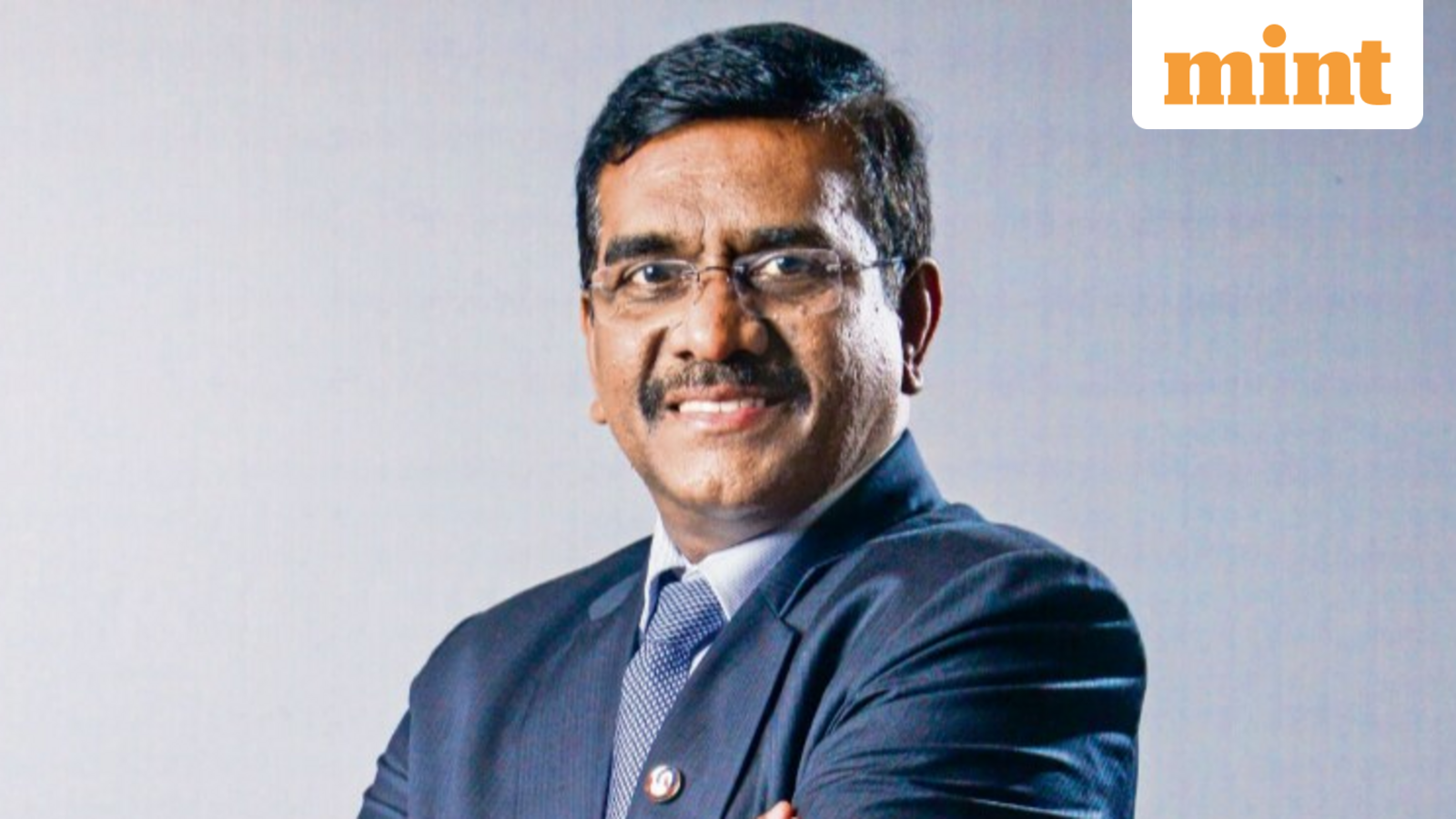
“The growth rates in non-metros are very significant. It’s a threefold kind of growth from a household penetration perspective. We do see that wherever quick commerce is available it has flourished,” K. Ramakrishnan, MD, South Asia, Worldpanel by Numerator said in an interview with Mint.
India’s quick commerce market has grown 150% year-on-year, reaching $10 billion in gross merchandise value in 2024 with a monthly run rate of $900-$950 million, according to 2025 estimates by consulting firm Redseer. Quick commerce accounts for 15% of the overall e-commerce market, which is estimated at $70 billion.
While quick commerce is a fairly recent phenomenon, for some large packaged consumer goods companies, it draws anywhere between 2% and 7% of overall sales in FMCG.
Spending habits and consumer behaviour
Quick commerce is becoming as important as e-commerce in metros, with similar spending among affluent and middle-class households, per Worldpanel. However, online shopping remains skewed towards affluent households.
In metros, affluent households spend an average of ₹7,460 on e-commerce annually on FMCG spends, while their spending on quick commerce is slightly ahead at ₹7,712. For middle-class households, data points to a marginal difference between spending on overall e-commerce on buying FMCG at ₹4,767 and on quick commerce at ₹4,395.
In non-metros, the gap is significant, with users across affluence levels spending disproportionately more on e-commerce platforms (excluding quick commerce).
Worldpanel’s data indicates that consumers are more experimental while shopping on quick commerce platforms. Across categories such as dishwashing bars, soaps, toothpaste, edible oils, and cookies, consumers experimented with between one and four brands on quick commerce, while they might try upwards of 10 brands when shopping across online and offline stores.
There’s one category where demand is through the roof—snacking. “The consumption of snacking categories, whether it’s biscuits or cookies or noodles or salty snacks—the quantity that people are buying across snacking categories is the highest on quick commerce. Categories which are highly impulse drive are thriving,” he said.
Companies have been capitalizing on this demand and now offer specific packs and more premium products for quick commerce shoppers. “Quick-commerce is definitely growing quite fast—roughly about 7-8% of our sales are going via e-commerce and about a third of that is through quick commerce,” Rohit Jawa, former MD and CEO, Hindustan Unilever said during the company’s post earnings meet in July.
In a recent interview with Mint, Saugata Gupta, managing director and chief executive of Marico Ltd., said he views quick commerce as a channel for innovation, diversification, and premiumization. The company does not disclose its share of business via e-commerce.
Industry outlook
Despite its popularity, scepticism remains given the high cash burn by quick commerce companies. For instance, in the June quarter Instamart saw its revenue surge to ₹806 crore up from ₹374 crore; however, losses were up significantly at ₹797 crore, from ₹280 crore last year.
Competition in quick commerce has also intensified over the past 12 months, with more companies such as Flipkart and Amazon announcing their entry into the segment.
Ramakrishnan said while more consumers are getting hooked on the convenience of quick commerce, their ability to move beyond metros and generate profits remains to be seen. “How much this expands beyond the cities where it is currently present remains to be seen along with the viability of the financial model itself. Thus far, I don’t think we’ve seen a proof of that,” he said.
India is far from seeing a decline in the prominence of general trade, he said. “It is going to be as significant as it was, and it will continue to be that way,” he added.