




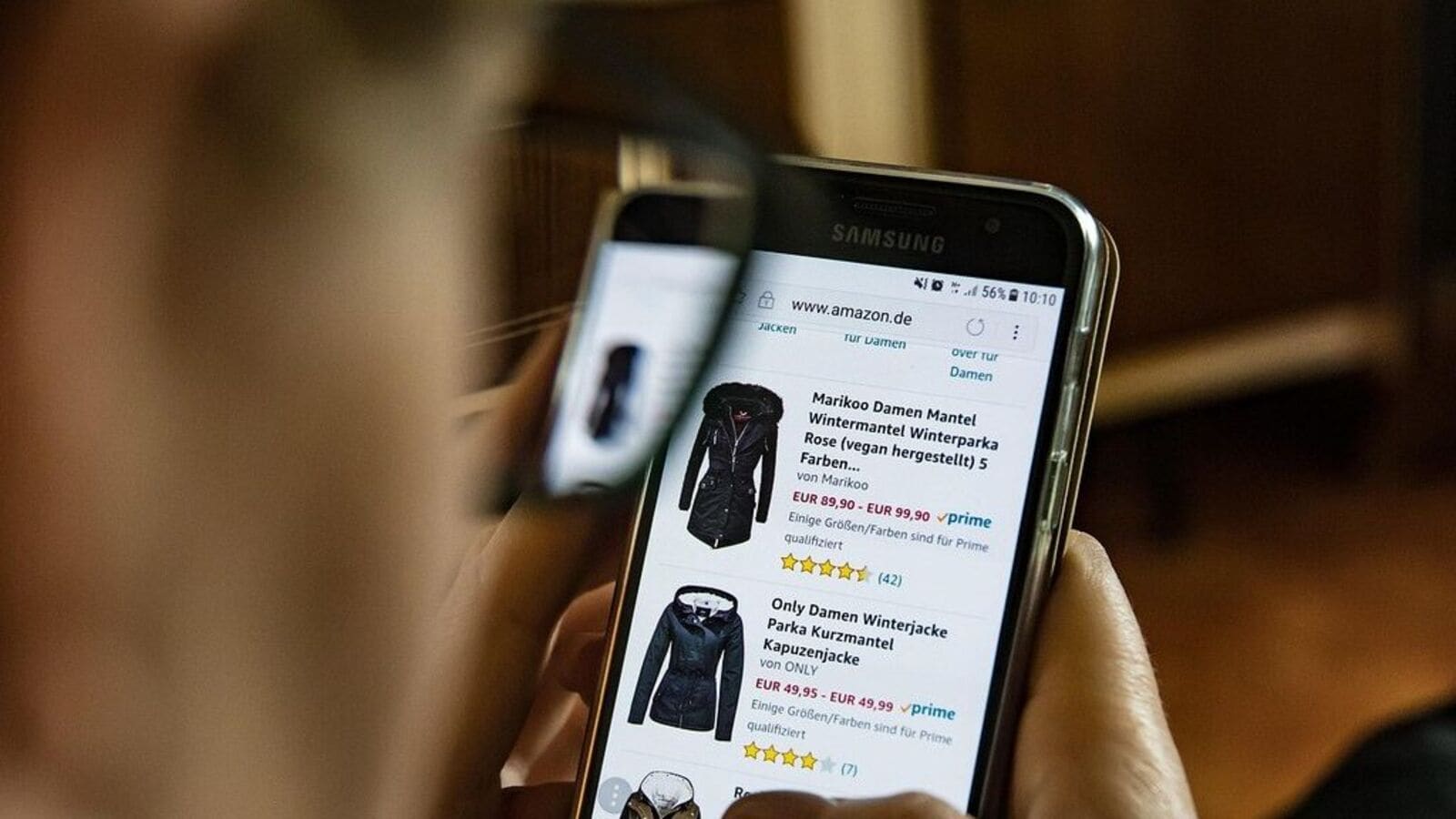
Mumbai: Consumers are increasingly relying on digital channels for their purchases, with online marketplaces being the most influential in shaping buying decisions, according to a report by Deloitte and industry body Ficci.
While physical stores remain relevant, a growing number of people also rely on peer recommendations and social media advertisements to make purchasing decisions, the report, released on Wednesday, noted.
The findings indicate that online marketplaces influence 73% of purchasing decisions, while offline stores remain relevant for 53% of consumers surveyed by Deloitte. Peer recommendations (51%) and social media ads (49%) also shape choices.
Further, consumers prefer authentic content, such as YouTube reviews (40%), over influencer endorsements, reflecting a shift toward trust-based, informed decision-making.
Quick commerce is gaining traction in the food, beverages, and home and personal care sectors, while social media-led shopping has minimal influence.
The report projects that online commerce is expected to account for 16% of the total retail market by 2030. This growth is driven by the convenience and wide product assortment that digital platforms offer.
Companies said the market is changing quickly, requiring brands to be present across all channels.
“Today’s retail landscape is evolving at an unprecedented rate—no matter what corner of the country we talk about,” said V Kumar, Chairman, FMCG Committee, FICCI and CEO, P&G India, at a FICCI event in the capital on Wednesday.
In India, digital platforms already drive about 17% of total FMCG consumption, with quick commerce (ultra-fast delivery) generating 35% of FMCG brands’ e-commerce revenue.
“As per Deloitte-Ficci report, the quick commerce segment is projected to reach $35 billion gross merchandise value (GMV) by 2030, supported by lakhs of delivery partners and an increasingly electric fleet—demonstrating a growth in demand for immediacy. This ongoing growth of models like quick commerce and e-commerce, powered by a surge in digital payments, has created unprecedented opportunities for enhancing consumer experience. It is imperative for us to ensure our products remain available where and when consumers want them,” he said.
The report also highlights a clear preference for online marketplaces for categories such as consumer durables (39%) and apparel (30%). In contrast, multi-brand retail stores dominate high-involvement or tactile categories like jewellery (44%) and consumer health (29%).
Offline presence
Meanwhile, local and unbranded stores still hold a significant share in food (24%) and home décor (33%), reflecting consumer trust and accessibility.
To be sure, offline retail has long held sway on how consumers buy goods in India. However, over the last decade this has changed with more digital channels chipping away market share from traditional trade prompting companies to diversify the ways in which they reach shoppers.
Despite that, companies are continuing to expand their offline presence, with fast-moving consumer goods makers and retailers strengthening distribution in untapped markets.
“While digital adoption is growing, physical expansion will only increase further—tier 2 and 3 cities will see more go-to-market expansion, be it within FMCG or retail. What will be critical is whether the service channel and after-sales is keeping in step with the sales channel,” said Anand Ramanathan, Partner, Consumer Industry Leader, Deloitte India.
Retailers are adapting by creating an omni-channel presence to bridge the gap between online and offline.
Recently, footwear retailer Bata India said it is set to intensify efforts to scale its online commerce business while maintaining its store opening targets.
“For the last three years, e-commerce has been our fastest-growing business. In the next about, you know, medium term two to three years. It’s basically low double digits right now—it should be about 20% of our turnover,” said Gunjan Shah, MD and CEO of Bata India Ltd, in a recent interview with Mint.
Shah said the company will maintain its annual store opening guidance of about 100 to 150 stores per year.
Last year, FMCG company Marico Ltd launched a program Project Setu, a three-year project, to expand its direct reach from 1 million outlets currently to 1.5 million outlets by FY27—this includes tapping channels such as pharmacies as well as speciality food outlets and standalone beauty stores.
The company’s general trade system is a source of competitive advantage because digital brands are never going to be able to crack general trade, per Saugata Gupta, managing director and chief executive at the edible oil maker.
Ramanathan also noted that quick commerce is entering a phase where pricing intensity is increasing.
“This festive season, companies are moving toward discounting and building volumes via dynamic pricing. This will also help companies reach mid-market households beyond affluent consumers in large metro areas,” he said. However, he added that profitability will depend on how well these platforms can sweat their assets.
The quick commerce market in India is expected to touch $35-40 billion by 2030, up from $5.2 billion in 2024. India is also the first country where quick commerce has scaled as a viable channel, now operating in over 80 cities and expanding product categories from essentials to fashion, wellness, and electronics.
P&G’s Kumar said the company has been co-creating more premium products along with quick commerce platforms such as Zepto to cater to consumers who value convenience.