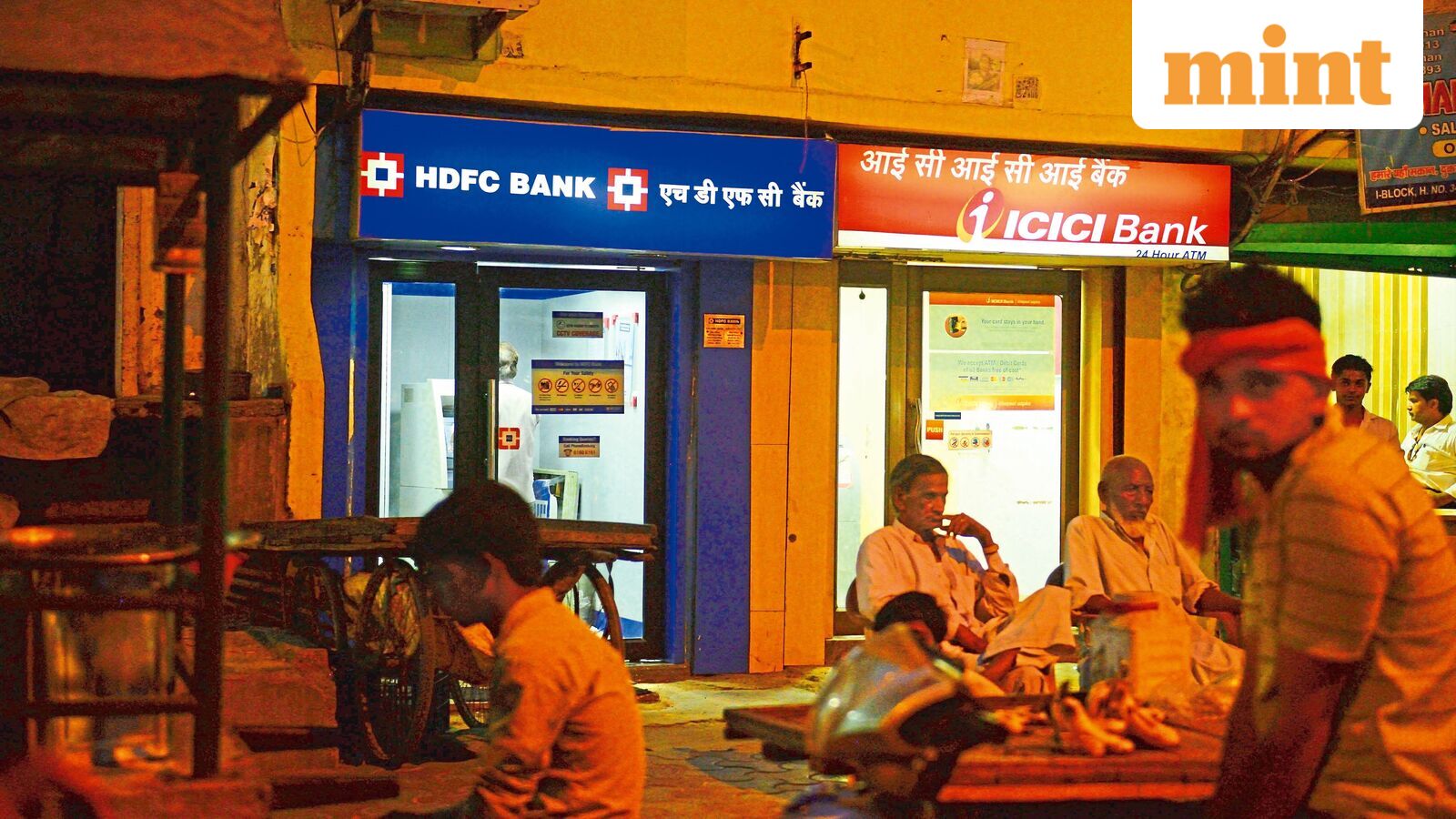





This move not only reshapes Yes Bank’s ownership structure but also brings a deep-pocketed global player into the private banking space. Mint explains what this means for Yes Bank, SMBC and the banking sector.
What does RBI approval of the Yes Bank-SMBC deal mean?
The Reserve Bank of India’s (RBI) nod to Sumitomo Mitsui Banking Corporation (SMBC) to acquire up to 24.99% in Yes Bank on Saturday marks the largest potential cross-border investment in India’s banking sector and a turning point in the private lender’s journey.
In May, the Japanese bank announced a ₹13,482 crore deal to buy a 20% stake in Yes Bank from State Bank of India (SBI) and a clutch of other domestic lenders and later sought clearance for an additional 4.9% stake.
Why does it matter for Yes Bank?
For Yes Bank, the deal brings in a long-term strategic investor with deep pockets and global expertise years after its near-collapse in 2020. A Moody’s report on 14 May described the acquisition as “credit positive” since SMBC’s balance sheet strength can support Yes Bank’s growth plans, while the entry of a global partner also signals confidence in the lender’s governance.
The transaction also addresses a lingering overhang, which is SBI’s exit route. The state-owned lender will pare its stake to just over 10%, clearing uncertainty about its future role in the bank.
Board representation will also be a new chapter. SMBC will nominate two non-executive directors to Yes Bank’s board, giving it a seat at the table in shaping governance and strategy. This comes at a sensitive time: Yes Bank’s CEO Prashant Kumar’s term ends in April 2025, and the search for a new chief executive had been put on hold until the stake sale receives regulatory clearance. With RBI’s nod now in place, the leadership transition process is expected to pick up pace.
In an interview with Mint on 13 May, Kumar had said the SMBC deal helps the lender achieve three objectives. First, it resolves the overhang around SBI’s exit by providing the state-run bank and other shareholders a partial exit route. Second, it replaces the holding with a long-term strategic investor of global scale, which Kumar described as a “well-respected group” with a history of investments. And third, it addresses concerns flagged by rating agencies in the past, particularly around SBI’s shareholding and Yes Bank’s ability to attract capital.
“I think the possibility of rerating the bank is absolutely there. This is what we believe,” Kumar had said in that interview.
Yes Bank’s share price rallied as much as 5% in the early trading session on Monday following RBI’s approval to SMBC.
What’s in it for Sumitomo Mitsui?
For Sumitomo Mitsui, India is a long-term bet. Its parent, Sumitomo Mitsui Financial Group (SMFG), with assets of $2 trillion, already runs a non-banking financial company in India and has investments across Asia in Indonesia, the Philippines, and Vietnam. The Yes Bank deal will significantly deepen its presence in one of the world’s fastest-growing banking markets.
“The transaction will have a limited financial impact on SMFG because of its relatively small size compared with the company’s overall scale,” said Moody’s in the report.
What are the sector-wide implications?
Analysts said this deal will have implications for future transactions of a similar nature. “This could also mean that in future, the regulator could allow SMBC to even raise its stake beyond the 24.99% approved right now, opening the doors for similar transactions by others,” Ashutosh Mishra, head of institutional equities research at Ashika Stock Broking told Mint.
RBI has enough safeguards in place to act if a lender does not conform to regulations, and past instances have given the central bank greater comfort in allowing large stake transfers, he added.
Fitch Ratings on 27 May called the Yes Bank deal a precedent-setter. “It could pave the way for future transactions, if the Reserve Bank of India’s (RBI) approval for the transaction sets a precedent,” said Fitch in its report. India caps voting rights for investors in banks at 26% and restricts financial institutions’ holdings to 15%, which has long deterred such stake sales.
By approving a foreign bank’s entry as the single largest shareholder in a domestic lender, RBI may have signalled a more flexible approach, especially where governance standards and financial resilience can be strengthened.
What does the deal mean for RBI’s approach to foreign ownership in banks?
Moody’s said that while the RBI generally restricts foreign banks to a 15% stake in domestic private lenders, it has in the past made exceptions in cases of stress. For instance, DBS Bank acquired Lakshmi Vilas Bank in 2020 and Fairfax Financial Holdings bought a 51% stake in Catholic Syrian Bank in 2018.
Fitch highlighted that the central bank’s 2020 resolution of Yes Bank itself was more nuanced than earlier forced acquisitions. It involved full write-downs of additional tier 1 (AT1) bonds before a consortium led by SBI injected fresh equity.
Both the rating agencies see increased global bank participation as a way to enhance governance standards in the Indian financial sector, in line with the regulator’s objectives.
In an interview with CNBC-TV18 on 15 July, RBI governor Sanjay Malhotra said the central bank is open to allowing foreign banks to hold up to 26% stake in Indian lenders, subject to existing policy norms.
“As per the FDI policy, foreign banks are allowed up to 74%. Foreign banks can certainly have a 26% stake in an Indian bank,” said Malhotra, adding that voting rights cannot exceed 26% as per the Banking Regulation Act.