




What changes for households under the new rules?
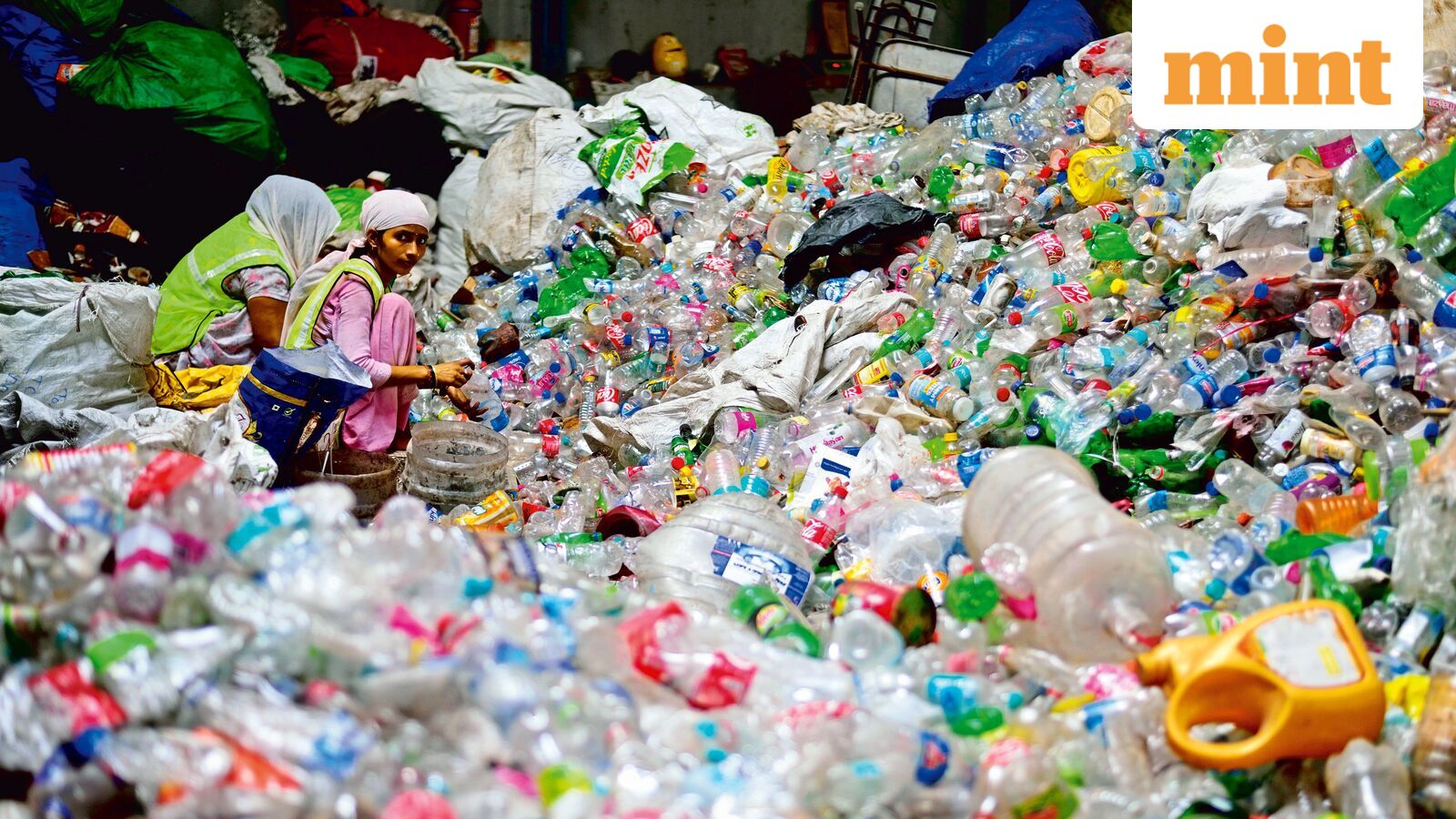
The rules make it compulsory to segregate waste at source into four categories: wet, dry, sanitary, and special care waste. Wet waste—such as kitchen waste, vegetable and fruit peels, meat, and flowers—is to be composted or processed through bio-methanation at nearby facilities. Dry waste, including plastic, paper, metal, glass, wood and rubber, must go to Material Recovery Facilities (MRFs) for sorting and recycling. Sanitary waste, such as used diapers and sanitary napkins, must be securely wrapped and stored separately. Special care waste, including paint containers, bulbs, mercury thermometers and expired medicines, is to be handled by authorised agencies or disposed of at designated centres.