





India’s media and entertainment sector grew 9.1% year-on-year to ₹2.78 trillion in 2025 and is expected to expand at a 7% compound annual growth rate to ₹3.3 trillion by 2028, according to Ficci and EY’s annual report released on Tuesday.
Growth was driven largely by digital, even as traditional segments showed mixed trends. Excluding online and video games, hit by a four-month ban on money gaming, the sector grew 11.8% in 2025.
Advertising was a key driver. Digital advertising rose 26% to ₹94,700 crore, accounting for 63% of total ad revenues. E-commerce and point-of-sale ads surged 50% to ₹22,000 crore, equal to 85% of TV ad revenues, the report said.
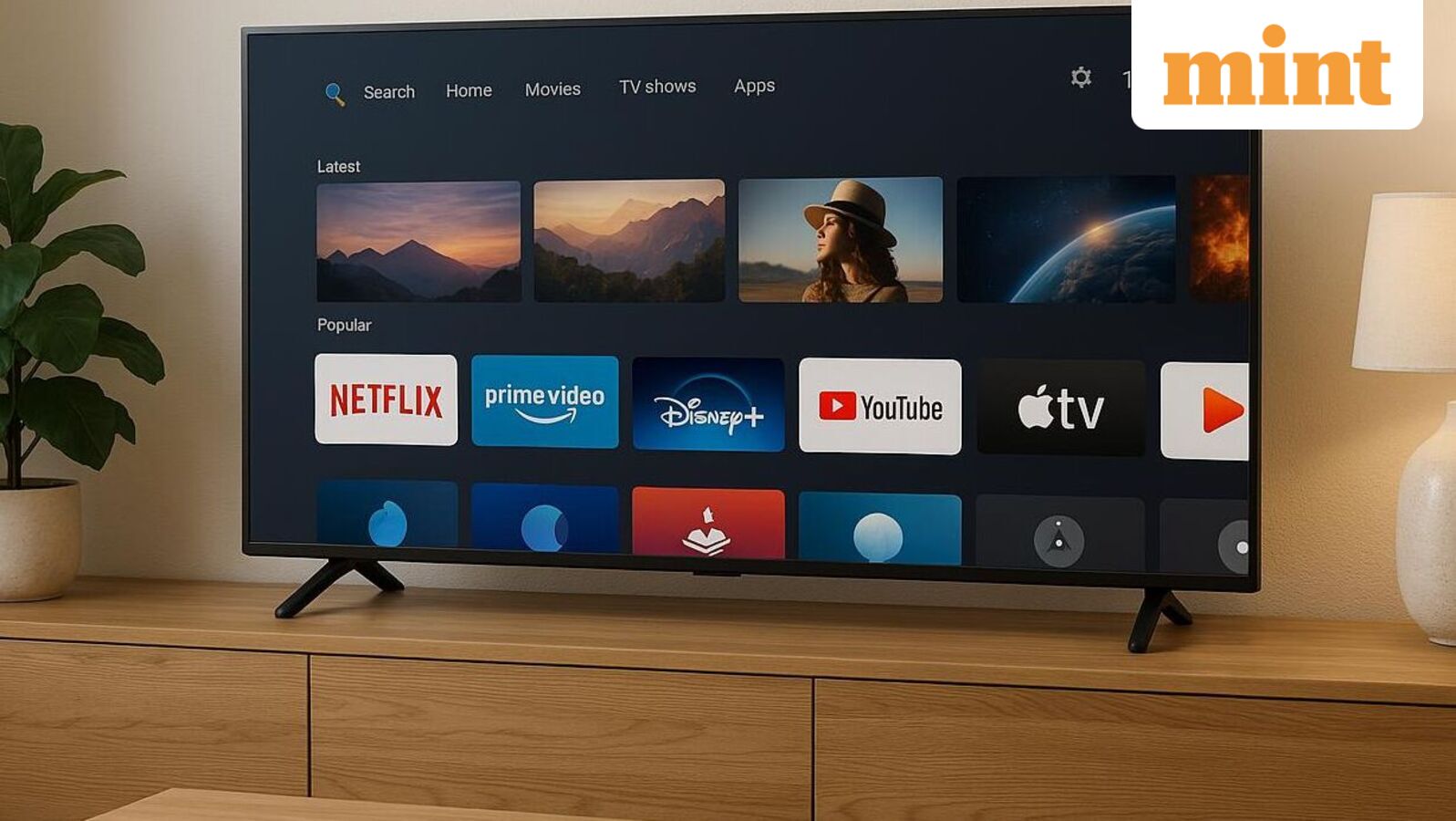
Digital advertising also included ₹36,300 crore from over a million SMEs and long-tail advertisers. The segment is expected to lead growth, adding ₹44,600 crore by 2028 as large organizations and SMEs continue to invest in high attribution e-commerce, shoppable and point-of-sale advertising, and connected TVs grow from 40 million to 67 million connections.
Digital subscriptions also expanded. Revenues rose 60% to Rs. 16,300 crore, with paid video subscriptions reaching 216 million across 143 million households, driven by premium sports and films moving behind paywalls. Paid music subscriptions grew 37% to 14.4 million after platforms took steps to discourage free usage, while news subscriptions remained limited at 4 million due to the abundance of free alternatives.
Digital subscription revenue is projected to grow by ₹8,500 crore by 2028 as video OTT subscriptions expand from 143 million to approximately 191 million households. Meanwhile, TVoD revenues are expected to rise from ₹500 crore to ₹740 crore, and audio OTT subscriptions are set to double to between 28 million and 30 million.
The organized live events segment saw the fastest growth, rising 44% on higher spending on ticketed events, personal functions such as weddings, government events and religious gatherings including the Maha Kumbh Mela, the report said.
Film segment revenues reached a record ₹20,500 crore, driven by hits like Dhurandhar and Chhaava. More than 1,900 films were released in 2025, with theatrical revenues rising 14%, largely due to higher ticket prices. Thirty seven films earned ₹100 crore or more at the box office. Digital and satellite rights values declined 8% and 10%, respectively, as buyers rationalized slates and adjusted values based on theatrical performance.
Television remained the most widely consumed medium, reaching around 745 million individuals each week, but saw declines in both advertising and subscription revenues. Linear TV advertising fell 10.3% amid lower volumes and a 3% drop in the number of advertisers, as some sectors shifted spending to digital media. Subscription revenues declined 8% due to the loss of 11 million pay TV households, though Free TV and connected TV saw growth. Connected TVs, categorized under digital media, increased to approximately 40 million weekly active homes.
Total TV subscriptions are expected to reach 212 million by 2030, accounting for 22% of all screens, while total ad revenues across linear TV and connected TV may grow to Rs. 37,700 crore by 2028. As ad targeting improves, SMEs could increase spending on connected TV platforms.
“From advertising to subscriptions to commerce, digital is reshaping how content is monetized and how audiences engage with it. And yet, this is not a story of replacement. It’s a story of addition. It’s interesting to see how India is emerging as a multi-screen nation – an “AND” market,” Kevin Vaz, chairman, Ficci media and entertainment committee, and CEO, entertainment, JioStar, said at the launch of the report in Mumbai.
“What is particularly interesting is the resurgence of large screens. Connected TV is seeing strong growth. At the same time, linear television, mobile, films and print continue to expand,” he added.