



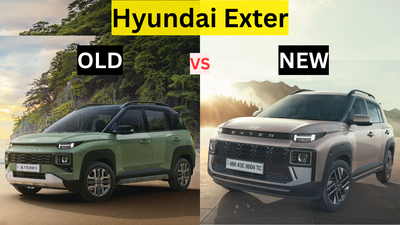
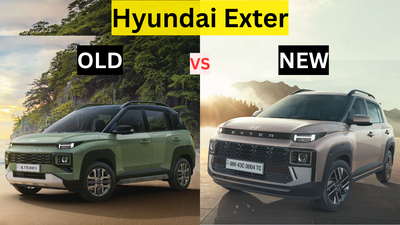
Hyundai Motor India recently launched the new Hyundai Exter facelift micro SUV in the Indian market. This marks the first facelift for the micro SUV since its launch in 2023, bringing cosmetic updates, new features, enhanced safety and other improvements. The Exter continues to compete directly with the Tata Punch, Renault Kiger, Nissan Magnite, Maruti Suzuki Fronx and Toyota Taisor. The update retains the existing package but brings minor styling changes, additional features and a revised variant lineup. In this article, let’s take a look at what’s changed in the updated model.
Price differencesIn terms of pricing, the updated Exter sees a marginal increase over the outgoing model. It is now priced between Rs 5.80 lakh and Rs 9.40 lakh (ex-showroom), compared to the earlier range of Rs 5.64 lakh to Rs 9.38 lakh. Along with the update, Hyundai has introduced a revised variant naming structure, ranging from HX2 to HX10, aligning it with newer models such as the latest Venue and the Verna facelift. Despite the slight price revision, the Exter continues to offer a balanced mix of features and powertrain options within its segment. Design changesThe updated Hyundai Exter retains its existing shape, with no structural changes, but receives styling revisions across the exterior. Updates include a redesigned grille, a new front bumper with rectangular inserts and a silver U-shaped element, and the repositioning of the ‘EXTER’ badge to the trim between the headlamps. The H-shaped DRLs and projector halogen headlamps remain unchanged. Other changes include thicker body cladding with faux screw detailing, a new design for the 15-inch alloy wheels and a revised C-pillar garnish. At the rear, the SUV gets a wing-type spoiler along with updates to the trim connecting the taillamps and the lower bumper.
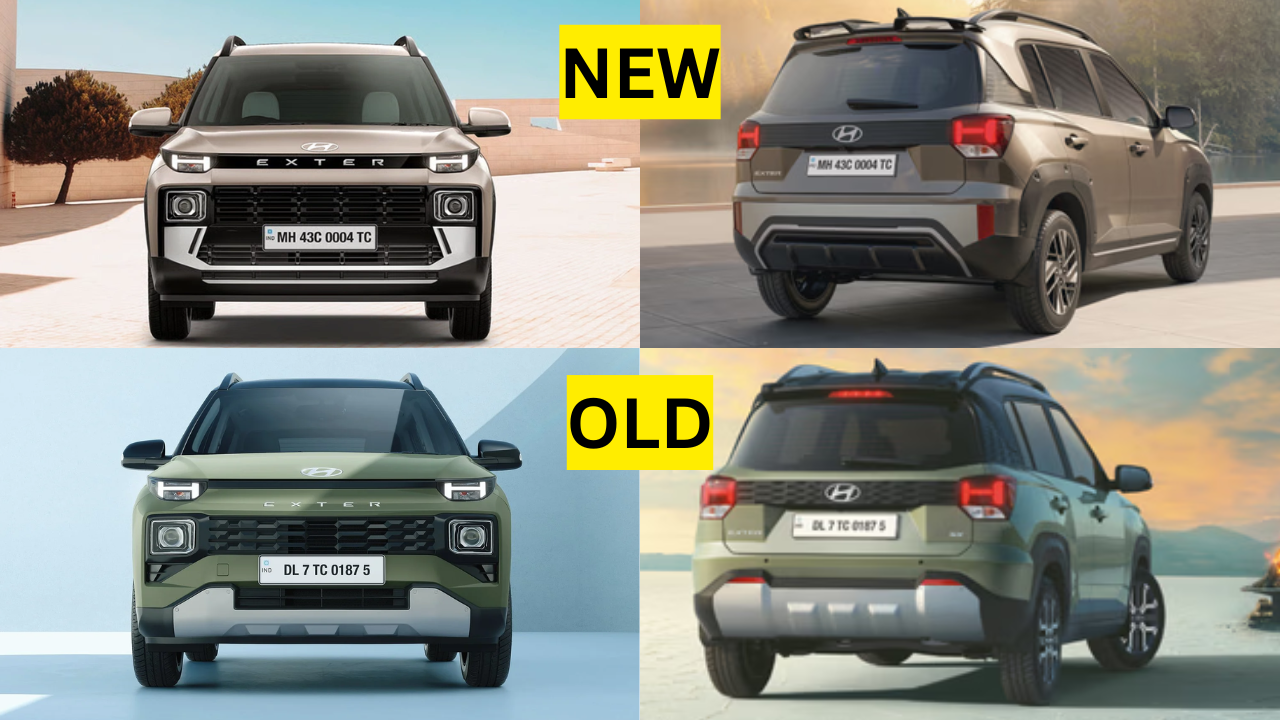
Hyundai has also added two new exterior colours – Golden Bronze and Titanium Black Matte – alongside existing options such as Starry Night, Titan Grey, Titanium Black, Atlas White and Ranger Khaki, including its dual-tone version. Overall, the update focuses on minor design changes rather than a full redesign.Interior changes The updated Hyundai Exter retains its cabin layout but introduces changes to materials and features. Updates include a dual-tone navy blue and grey interior, a carbon-pattern dashboard finish, a flat-bottom steering wheel, metal pedals and revised seat upholstery. New additions include a driver armrest and a Type-C USB port for rear passengers. The SUV continues with 8-inch displays for the instrument cluster and touchscreen, while Apple CarPlay and Android Auto remain wired, with wireless support possible via an adapter. Features such as cruise control, automatic climate control, wireless charging and a single-pane sunroof are unchanged, while a dashcam and wireless connectivity are offered in select variants.
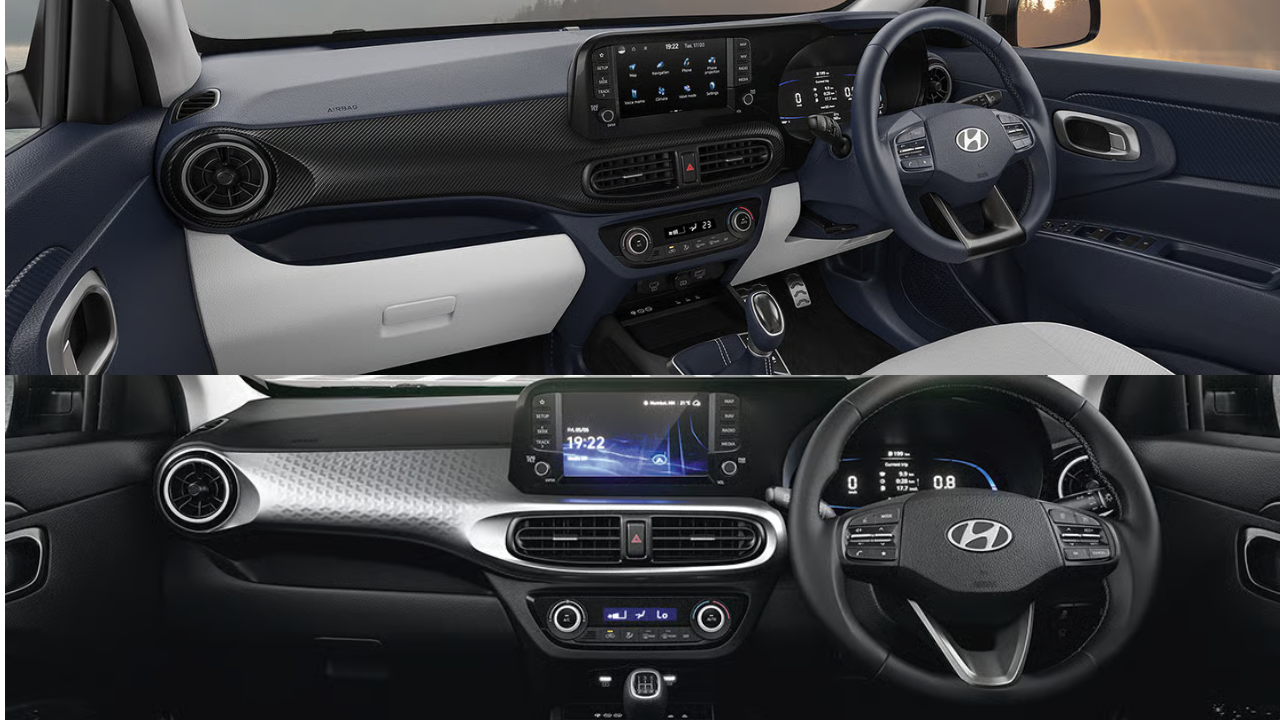
Safety equipment remains unchanged, with six airbags, ESC, hill-start assist and central locking as standard. Higher variants add a rear parking camera, automatic headlamps and other driver aids. Overall, the update focuses on added features and material changes without altering the cabin layout.Powertrain The updated Hyundai Exter continues with the same powertrain options as before, indicating no mechanical changes with the facelift. It remains powered by a 1.2-litre, four-cylinder naturally aspirated petrol engine producing 83hp and 114Nm, paired with either a 5-speed manual or an AMT gearbox. Hyundai also continues to offer a factory-fitted dual-cylinder CNG option, where the tanks are positioned under the boot floor to optimise luggage space. In CNG mode, the engine delivers 69hp and 95Nm and is available only with a 5-speed manual transmission. A notable addition is the inclusion of a spare wheel in the CNG variant, now mounted underneath the vehicle.