





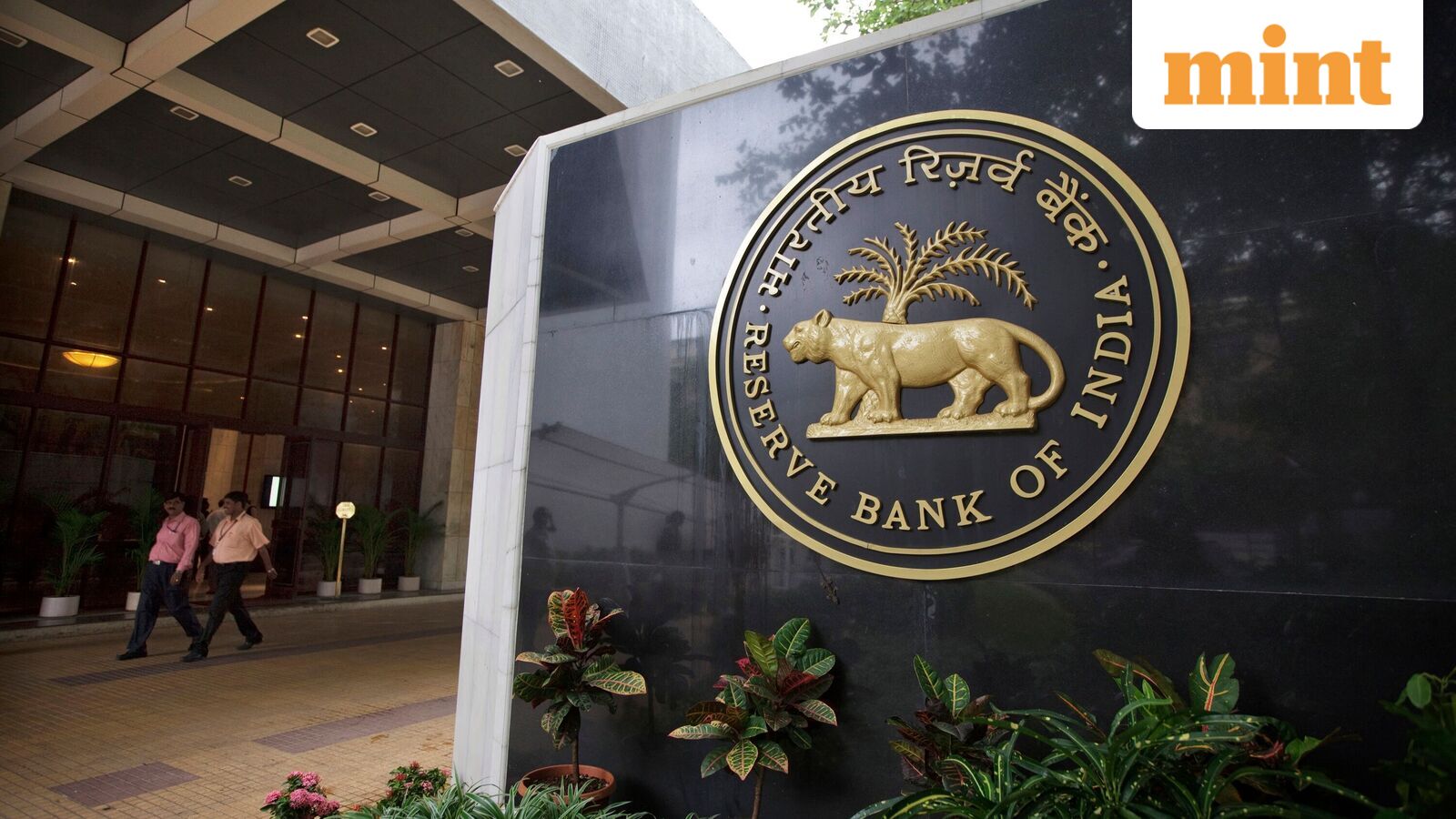
MUMBAI: The European Securities and Markets Authority (ESMA), the European Union’s financial markets regulator, on Tuesday said it has entered into an agreement with the Reserve Bank of India (RBI) to exchange information for the recognition of Indian central counterparties (CCPs), more than three years after a standoff began over domestic clearing houses.
“This agreement marks a significant step towards restoring access for EU clearing members to Indian central counterparties and follows two years of sustained engagement between ESMA and RBI,” ESMA said in a statement.
The announcement comes the same day India and the European Union (EU) signed a free trade agreement, expected to double EU exports to India.
The dispute originated from differences between RBI and ESMA over granting supervisory access to Indian clearing houses. In October 2022, ESMA withdrew recognition of six Indian clearing houses—Clearing Corp. of India Ltd, Indian Clearing Corp. Ltd, India International Clearing Corp. Ltd, NSE Clearing Ltd, NSE IFSC Clearing Corp. Ltd, and Multi Commodity Exchange Clearing Corp. Ltd—after a prior agreement with Indian regulators expired.
ESMA had sought to revise the pact, but Indian authorities resisted giving supervisory powers to inspect Indian clearing corporations.
The previous memorandum of understanding (MoU) had lapsed in March 2022, and ESMA initially deferred the derecognition plan until 30 April 2023. Under the new agreement, the Clearing Corp. of India Ltd (CCIL), a CCP established in India and supervised by the RBI, can re-apply for ESMA recognition.
“It reflects ESMA’s strong commitment to international supervisory cooperation and mutual support to advance safe, resilient and open financial markets,” the ESMA statement said.
Separately, RBI noted that the new agreement replaces an earlier MoU signed on 28 February 2017. “The MoU establishes a framework for ESMA to place reliance on RBI’s regulatory and supervisory activities while safeguarding the European Union’s financial stability.”
The derecognition threatened to raise costs for European banks that use these clearing houses for their trades. A new agreement means that a reprieve can be expected.
“This effectively provides regulatory relief for European banks by easing the risk-weighted asset burden. Earlier, because CCIL wasn’t recognized under EU jurisdiction, global banks were forced to allocate disproportionately high RWAs (risk-weighted assets) for doing business in India, making the cost of operations unviable and returns unattractive,” a senior foreign bank official said.
“Since CCIL is central to virtually all India-linked transactions, there was no practical alternative route for banks. That pressure has now eased. While this is clearly positive for European banks, it doesn’t materially move the broader market, as this segment was never large enough to create systemic dislocation even when the restrictions were in place.”
The head of one of the six clearing houses derecognized by ESMA said it has to wait for formal communication from the regulator before taking the next set of steps.
“We just came to know from press statements today and have received no official communication. Unless that happens, we are not sure how this move will impact us and whether the clearing house will have to reapply,” the person said.
Following the 2008 financial crisis, the EU implemented the European Market Infrastructure Regulation (EMIR) in 2012 to enhance transparency and reduce risks in the over-the-counter derivatives market. Article 25 of EMIR requires CCPs or clearing houses servicing European banks abroad to be approved by ESMA.
Bloomberg reported in October that India was close to resolving its long-running dispute with ESMA over oversight of local clearing agencies, citing a person familiar with the matter.