


Punjab is attempting a high-stakes transformation from an agrarian powerhouse into an industrial. In its latest attempt, Punjab hosted a 3-day investor Summit (Progressive Punjab Investors’ Summit 2026) earlier this month. The state government has received investments upwards of ₹57,000 crore.
The state also recently rolled out its New Industrial Policy 2026.
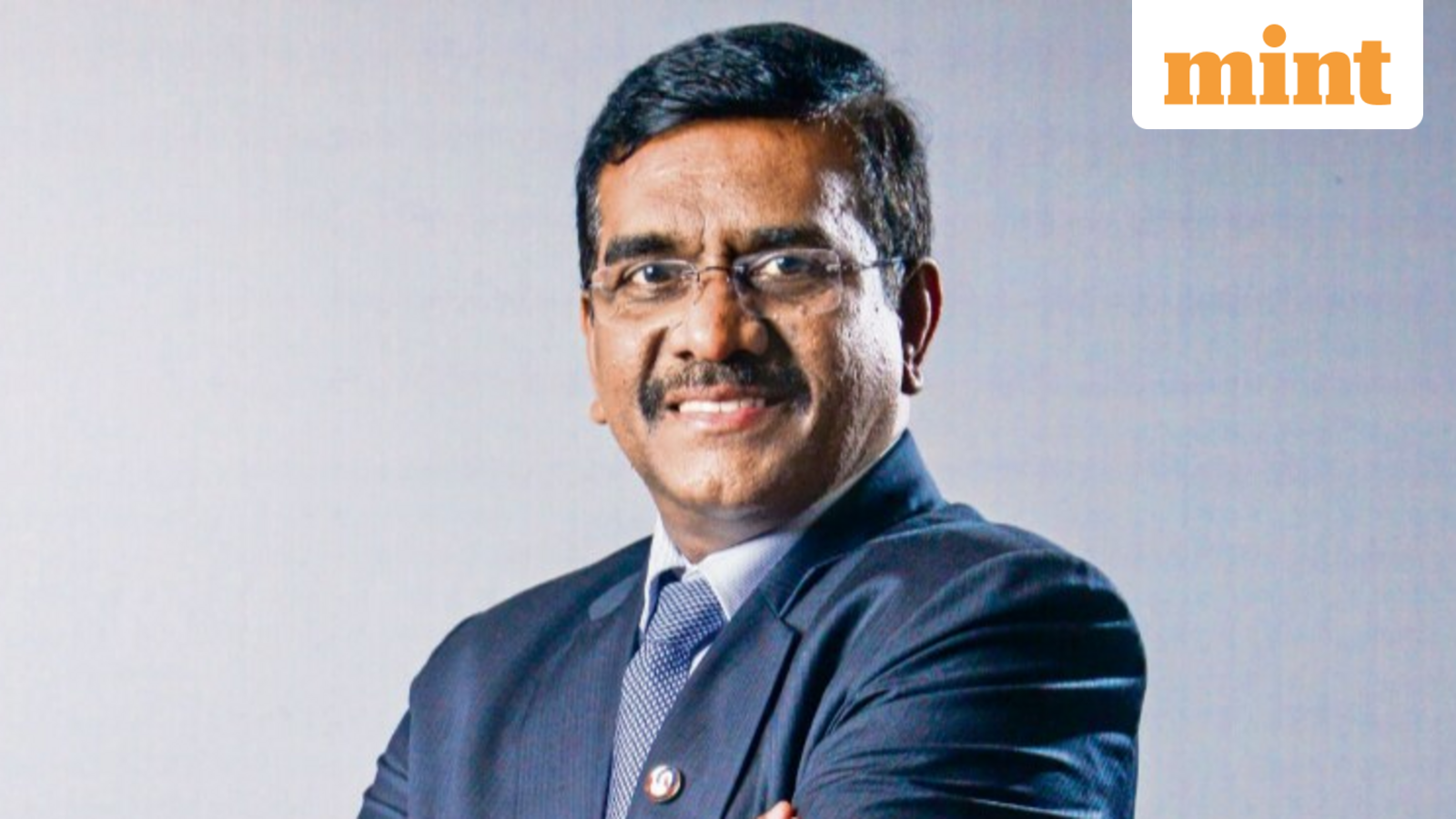
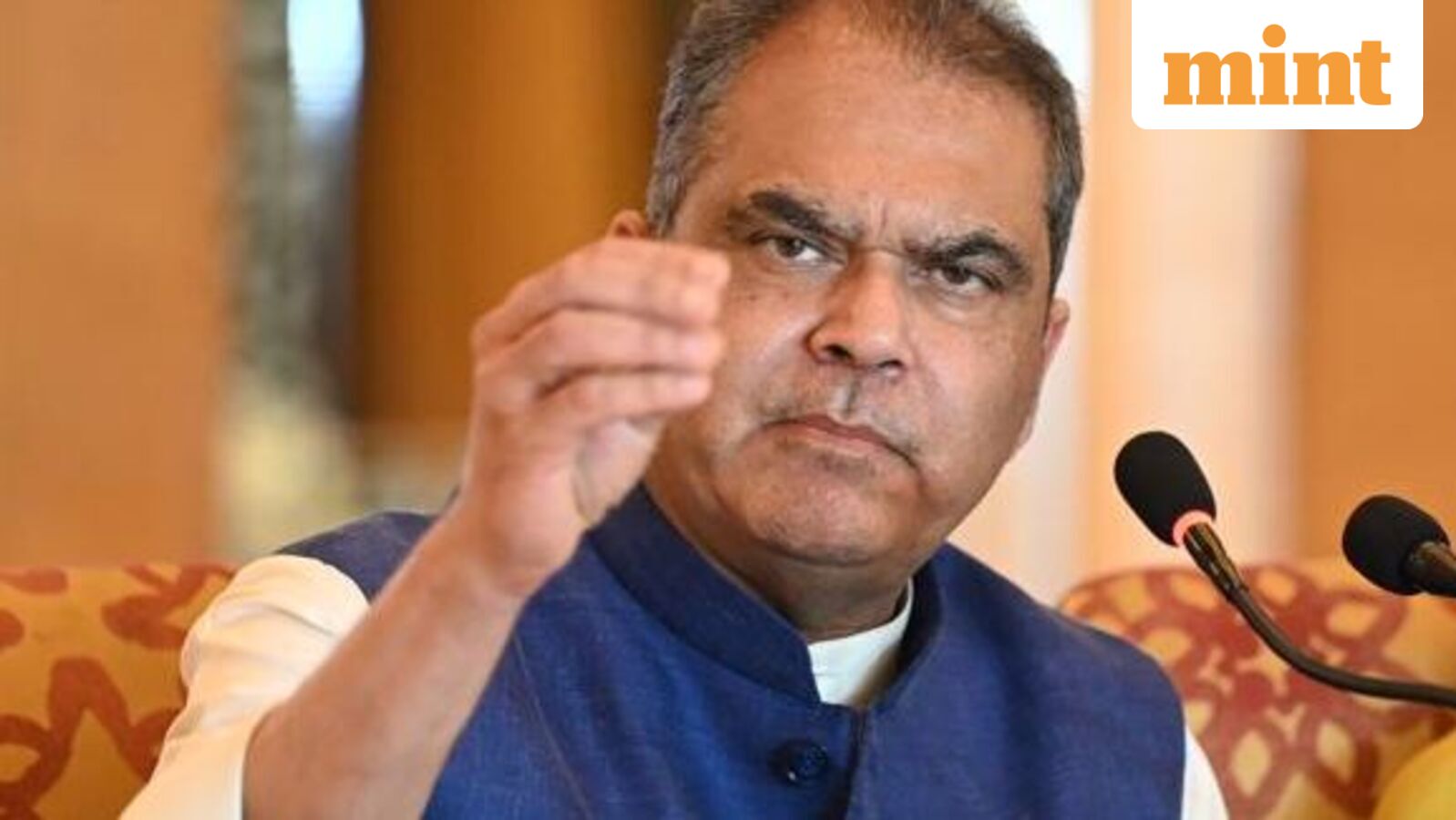
In a conversation with Mint, Sanjeev Arora, Punjab’s Minister for Industries & Commerce and Power, discussed the usage of Artificial Intelligence to draft these industrial norms, big-ticket investments in the State and the dual pressure of a global energy crisis and supply chain disruption.
Here are edited excerpts:
1. Could you share with us the journey you had while planning this summit – your success story and setbacks?
Answer: Six months back when we started planning for the summit. Everyone was apprehensive whether we could do so many sessions. We had planned 30 sessions – It has never been planned by any summit in India till date. So we had 24 industry-specific sessions; 3 country sessions – UK, Japan, Korea; and 3 other sessions were artificial intelligence, brand Mohali, and MSME. To begin with, I had thought that this summit should be the largest summit ever held by Punjab. And thanks to my team, my industry department, and investment promotion, Punjab Development Commission, we achieved what we envisioned. We had involved KPMG and also CII so put together it was a great show.
2. What was new this year as compared to last year?
Answer: The venue – the summit has always taken place in ISB. This time we’ve shifted it to Plaksha University. It’s a newer university, bigger campus, so the exhibition was almost 3 times bigger. The invitees were almost 3 times.
Another thing, previous summits were planned over 2 days. This year, it was for 3 days – it started on the 13th March and finished on the 15th. On the 14th, the whole of the day we had 24 sessions. And our concern was that will people really attend those many sessions, will we have to face embarrassment that people are not there and sessions are being held.
But what happened was all these sessions were full and people were standing to attend the sessions and some were outside in the corridor, waiting if they could get into that. We got the right people who matter in that industry, in that field, and also we invited the industrialists who would be interested in those sessions.
We had a session on artificial intelligence.
3. So do you think AI will help the smaller industries?
Answer: Yeah, I mean, it’s important to get into the latest technology. Today, without artificial intelligence, businesses can’t succeed. They need it because everyone is using it – all the bigger players are using artificial intelligence. So MSME also has to do. They have to switch to artificial intelligence for their growth, for R&D, for the way they work, and even for accounts people are using AI. Even when we made our policy, we also used artificial intelligence for that.
We have started using AI and we are trying to increase the usage of AI.
4. Would you like to share in what ways you are using artificial intelligence? How does it help you?
Answer: I will start with our policy. So we had created 24 sectoral committees. In each sectoral committee, there were 12 industrialists. 80% of the industrialists were MSME and 20% were large, overall. So, and then in each committee, there were some government officials.
So what we did was, when we got the report from all the committees, which was in a record time of 2 months. We put everything in AI. It helped us identify from the reports, what were the common issues among industrialists. It helped us assess those reports quickly.
Recently in Himachal Pradesh, a BJP MLA also praised our policy, the Punjab industrial policy.
5. Would you like to share with us the big-ticket investments you received at this year’s summit.
Answer: In recent times, just before the summit or after the summit, we have had a lot of investments. To list a few, I would say Vardhman Steel is investing ₹33,600 crore. Happy Forgings is investing ₹1,000 crore. Arora Steel is a company from Ludhiana, they are investing around ₹1200 crore. Trident, they have now promised ₹5,000 crores of investments in textile and also they are going into IT and all. Then we have Nahar Group of Industries, they are investing ₹1,550 crore. IOL Chemicals ₹1,400 crores. One is Verka Beverages, they are going to make Campa Cola for Reliance, ₹987 crores. Fortis is around ₹1,000 crores in Mohali. JSW has announced around ₹3,000 crores.
Bathinda Refinery, that is, HMEL is ₹2,600 crore, which is a tie-up between Mittals and HPCL.
6. How do you see this panning out in terms of development and jobs in the state?
Answer: From 2022, we have had an investment of around ₹170,000, and this has brought in jobs to the tune of 6 lakh people in different categories – it could be IT, highly paid, then lower paid, normal labour also.
In 2025-26, we have had an investment of around 60,000. It will be 60,000 because we have like another 10-12 days to go and investment is trickling in. As of date, it is around ₹57,000 crore, so of course it will touch 60.
Now that is a historic-high.
As I said, ₹170,000 has brought in 6 lakh jobs, so we divide it and we see that’s on an average, that’s how the jobs will come in.
7. Earlier this month, the govt also announced a new industrial policy. How does that help in Ease of Doing Business and cost of doing business. Also, what are the sectors that are expected to get the max boost from the new norms?
Answer: Let me start with ease of doing business. The government of India has awarded Punjab the best state in ease of doing business. So if the government of India is awarding us, we are doing something right. We also have the Right to Business Act. In the Right to Business Act, industries which are in the green category and a few of orange category industries are given all the approvals within 5 days. But as long as they are in an approved, industrial estate or focal point. If they are not in an approved industrial estate or they are given approval in 15 days.
And if it is an expansion, it is 18 days. All other industries which are in the red category or which are not covered under RTB, get approvals in 45 days. If the government doesn’t give approval in 45 days, they are taken as approvals. You can start production and all.
We have not crossed any deadline. We have a CAF – common application form. It is filed on Punjab Invest Portal, so we have not crossed any deadline of 45 days till now as long as we have all the documents, they have the approval with them.
8. Even the neighbouring sates (HP) are praising your industrial policy; how do you look at this?
Answer: We made committees, so these policies were made by the industry itself. We got around 600+ suggestions from all the committees put together. We took care of 77% of their suggestions.
We made sure it’s a comprehensive policy. We are the first state that has made 24 policies. One is master policies, and then there are 24 individual policies sector-wise which we have made.
So it is a detailed and comprehensive policy, and over a period of around 6 to 8 weeks, 2,000+ man hours were spent on this policy. Each and every meeting was chaired by me.
I wanted to make sure that the team is positive and we get a policy which is liked by everyone. The only reason behind this policy being praised is that we took care of all the industries, especially MSME.
For investments over and above ₹500 crore, if any investor comes and has a special request to make to the state, we would love to listen and solve. Once our committee approves, it is taken to Cabinet for approval.
9. Crude Oil is on the boil, we are in a global energy crisis. That is going to have a direct impact on input costs for small & medium industries in Punjab. Do you think the export-oriented local industry will need any support from the govt?
Answer: I am in regular touch with all the industries. I keep on asking them if the government can be of any help, but the only thing is, In this situation, what we are, quite a lot has to be taken care of by the central government and also as far as the exports are concerned, Europe, America. Southeast Asia, everything is going on fine.
The only problem is with the exporters who are exporting to the Middle East. Yeah, they are in trouble because the goods are not going, especially I have seen a lot of mobile phones being exported to the Middle East from India, but that is completely shut.
I don’t think the industry in Punjab is that much affected due to this war, but yes, as far as gas is concerned, that is becoming a problem, but I am hearing that a lot of gas is coming in.
I hope that issue is not there because many industries use gas like the steel industry uses gas. Some of the textile industry uses gas during the finishing process. I have got a lot of complaints from the industries using gas.
I also request the central government to make sure enough availability of gas so that industry is not affected.