


Strong growth, low inflation, and robust foreign exchange reserves will help India tide over the disruptions caused by the West Asia war, even as the energy crisis has made investors nervous, according to Ben Powell of BlackRock Investment Institute.
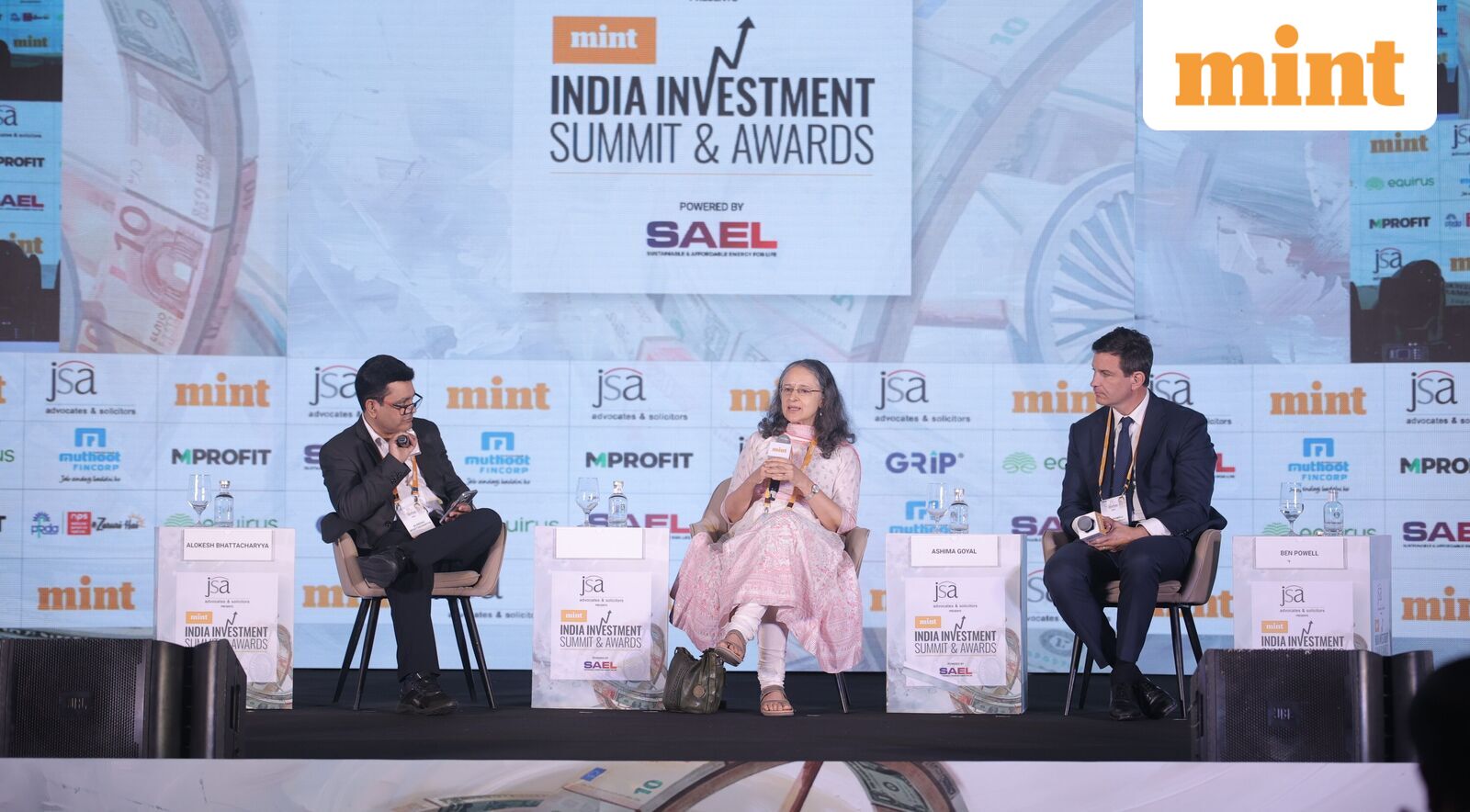
The country’s growth, inflation, and reserve dynamics are very different from other instances in history, said Powell, managing director and chief investment strategist for the Middle East and APAC at the institute. “India has buffers, resilience, and the ability to get through what should be a slightly difficult time and then get back to the fantastic structural growth of demography and productivity,” he said, speaking at the Mint India Investment Summit 2026.
However, despite confidence in India’s macroeconomic fundamentals, Powell said there was nervousness about investment in India. “I can’t speak on behalf of all global capital, but BlackRock—the world’s largest investor by far—we want to be spending more capital in India,” he said during a panel discussion on ‘India in a fractured world economy: Navigating growth, capital, and risk’. “I think it is fair to say we are just a bit nervous given the short-term energy situation.”
Ashima Goyal, emeritus professor of economics at the Indira Gandhi Institute for Development Research, also expressed confidence in India’s macroeconomic fundamentals, saying the country was in a “good space” even as oil prices are consistently above $100 per barrel, a red flag for India.
“What we need to understand is if you deflate it by the GDP deflator or the consumer price index, then this $100 is only equal to $56 today,” Goyal said, adding that India’s GDP for FY26 will be 7% and, for FY27, if the current war persists, then there could be 1% reduction.
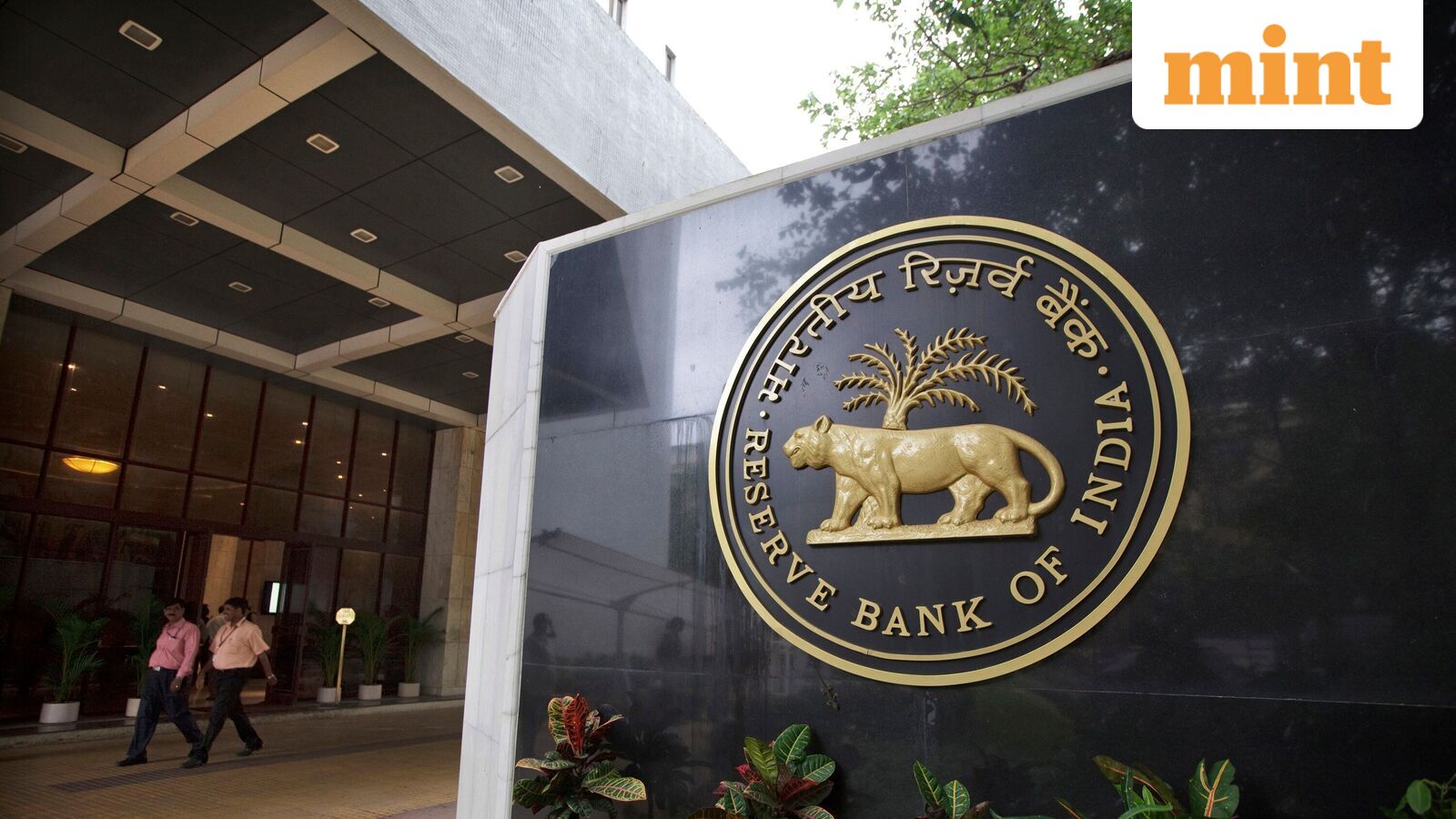
Goyal, who is also a former member of the Reserve Bank of India’s (RBI’s) Monetary Policy Committee (MPC), said the central bank should pause at the April meeting, scheduled to be held 6-8 April, stressing that there are a lot of uncertainties, but there is also time to respond to the current situation.
Amid the consistent depreciation of the rupee, both Powell and Goyal said the RBI was doing a good job of managing volatility without intervening too much. “To a degree, a weakening (rupee) can be something of a shock absorber for this broader macro shock,” Powell said.
The Indian rupee fell to a record low of 94.82 against the dollar on Friday amid the conflict in West Asia. The Indian currency has depreciated 4.1% since the beginning of the war on 28 February and 5.4% since the beginning of the year.
While Powell is confident about India’s growth story, he said the world economy was fractured amid higher tariffs, rewiring of supply chains, lesser trust among countries, and a movement towards self-reliance.