




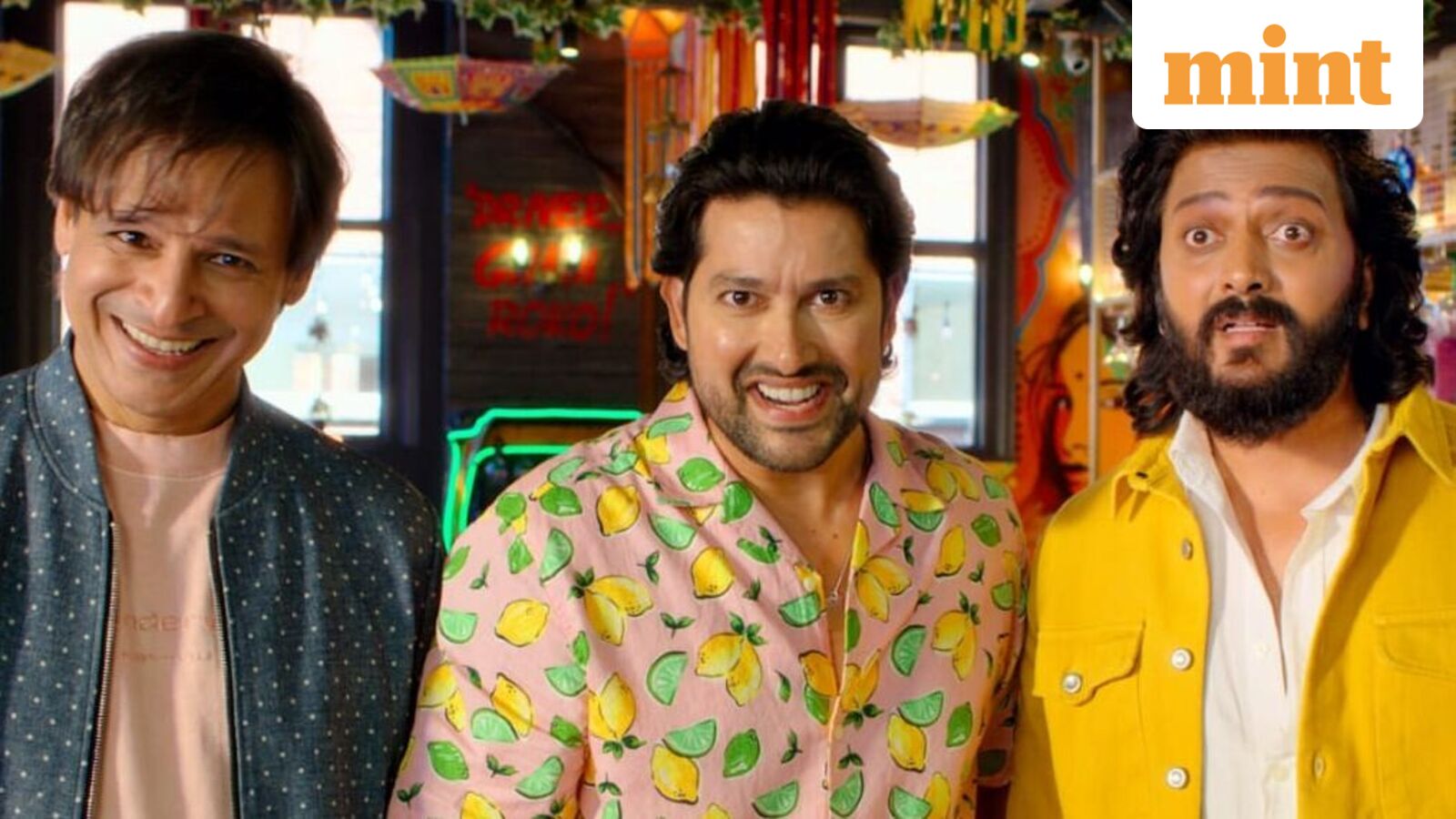
Radio jockey and content creator Ashish Sharma has accused the makers of Mastiii 4 for copying his viral Instagram skit “Shaq Karne Ka Nateeja” without permission, and the Delhi high court has issued a notice to the producers of the adult comedy film. Sharma has alleged that a scene in the film was lifted from this skit, prompting experts to warn that filmmakers and other long-form creators may increasingly face copyright claims from short-form content creators.
Producers have often faced lawsuits from authors and playwrights, but this is the first instance of its kind in India where a short-form content creator has accused filmmakers of lifting material from social media. To be sure, films like Bachchhan Pandey have incorporated meme-like references from social media into the plot without being challenged by their creators.
“Under Indian copyright law, content creators enjoy copyright protection from the moment an original work is created and fixed in any tangible form, irrespective of whether the industry is organized or informal. The Copyright Act, 1957 grants creators exclusive rights over the reproduction, adaptation, communication and commercial exploitation of their work. If a film, show or digital platform copies protected expression without permission, it amounts to copyright infringement,” said Ishita Vats, intellectual property associate, Kochhar & Co.
Creators can seek legal remedies such as cease-and-desist notices, injunctions to stop further use, and claims for damages or profit-sharing. Importantly, creators also retain moral rights, including the right to be credited and to object to distortion or misuse of their work, Vats added.
Even though the short-form ecosystem in India looks informal and fragmented, the legal position is actually quite settled, lawyers said. Under the Copyright Act, 1957, original skits, reels, short videos and social-media content can all be protected. Depending on their nature, such content may qualify as literary or dramatic works and, in many cases, also as audio-visual or cinematograph works.
On their part, filmmakers can protect themselves by maintaining clear documentation throughout the creative process, including dated drafts, copyright registrations where feasible, and written agreements for all acquired content.
“Filmmakers can also protect themselves by maintaining records of independent creation, such as drafts of scripts, development notes, communications regarding the film, and so on. These can help rebut allegations of copying. While copyright registration is not mandatory, it is advisable to seek registration as it provides prima facie proof of ownership and subsistence of copyright. While filmmakers are free to draw inspiration from general ideas or themes, care must be taken to avoid reproducing the copyright in another creator’s work as it can expose filmmakers to liability,” said Bharadwaj Jaishankar, partner at CMS INDUSLAW.
A senior executive at a content studio said it is becoming increasingly common for filmmakers to incorporate memes, reels, music and jokes that go viral online in some way into their scripts and plots. “A lot of it is done to build familiarity and for easy laughs. But clearly, this isn’t a joke anymore,” the executive said, adding that it shouldn’t be tough to acquire licences to use such content legally and safely. In fact, on the music front, Miket Kanakia, director of Novex Communications, said music licensing companies like theirs educate commercial entities on how to acquire licences for copyrighted music, and about the financial, legal and reputational implications of unauthorised use.
According to Vishal Gehrana, partner designate at Karanjawala & Co., litigation is often not the first step in practice. Many disputes start moving once legal notices are sent to producers, broadcasters, or OTT platforms. Takedown requests under the IT Intermediary Rules, 2021 can also be effective, particularly in the digital space. In cases where copying is clearly deliberate, criminal remedies under the Copyright Act are also available. “Registration of copyright isn’t mandatory, but creators who keep good records, that is, drafts, raw files, emails, timestamps, analytics, are in a much stronger position. Courts respond far better when there’s a clear paper trail. Quite simply, the more organized the creator, the smoother the enforcement tends to be,” Gehrana said.
Industry experts, caution, however, that establishing plagiarism is inherently fact-specific and varies from case-to-case.
According to Kalindhi Bhatia, partner at BTG Advaya, there are certain exempted activities under the Indian copyright act that do not constitute infringement even if done without a requisite licence or permission granted by a copyright owner and are considered fair dealing. “If an activity does not fit it into the identified exemptions, reference can be derived on factors laid down by Indian courts to determine fair dealing, such as purpose of using the copyrighted work, likelihood of competition between the two works, effect on market share, and so on. While litigation involving social-media content creators is still relatively nascent in India, courts have previously adjudicated similar disputes across other creative forms, like adapting a book into a film without requisite licence or films copying plots from older dramatic works,” Bhatia said.
To be sure, Indian courts have often dealt with copyright disputes in films, typically involving allegations of copying storylines, dialogues, or characters from earlier scripts, films or plays. However, the Mastiii case appears to be the first instance where a content creator has sued filmmakers for infringement of their skit. According to industry experts, filmmakers can protect themselves by conducting due diligence before using third-party content and by obtaining appropriate licences or assignments from content creators when their work is proposed to be used.