




The GST Council on Wednesday night scrapped the 12% and 28% slabs, retaining only the 5% and 18% ones, while lowering or eliminating GST on several items. The new rates will take effect from 22 September, ahead of the Diwali season.
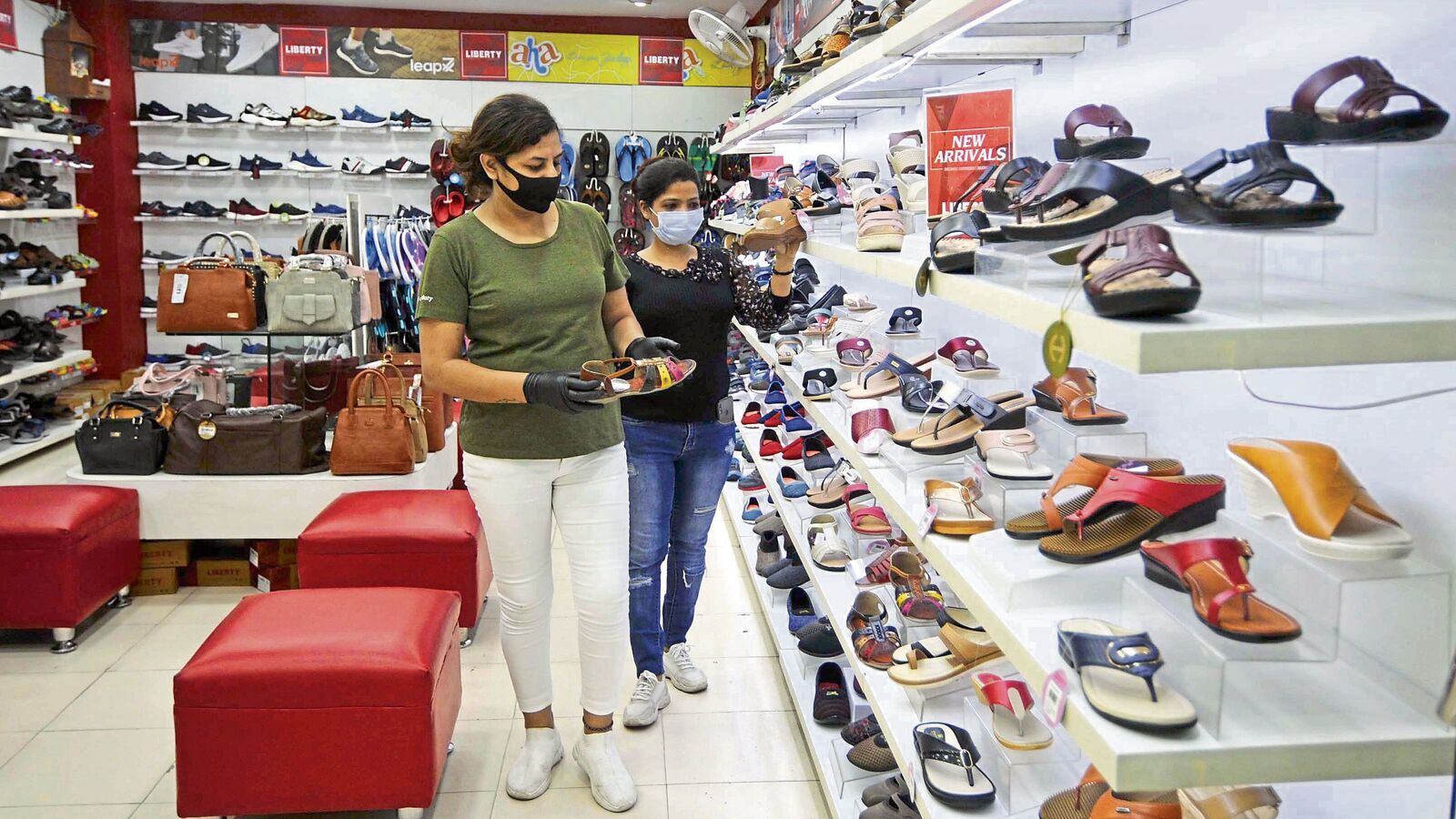
Industry experts said the tax cuts would not only revive demand but also cause companies that were planning layoffs amid rising costs and weak exports to reconsider. Sectors such as textiles and footwear, which employ millions in small and medium units, have been facing severe cost pressures and are thus key beneficiaries of the GST cuts.
Making production more cost-effective
Dharmesh Dattani, CFO of Vishal Fabrics, said, “The relaxations are expected to keep the momentum of manufacturing on track by reducing structural inadequacies and making production more cost-effective. The correction of inverted duty structures, particularly in textiles, where man-made fibre and yarn are now taxed at 5%, brings better alignment across the value chain. This helps manufacturers reduce working capital blockages, manage cash flows more efficiently, and scale operations without additional cost pressures.”
He added that lower costs were likely to translate into higher consumption, creating stronger demand and encouraging firms to expand capacity. For labour-intensive industries, such expansions are closely tied to employment. “As production scales up, more workers are required, creating jobs across the textiles value chain,” Dattani said.
Agriculture-linked sectors are also expected to benefit. “The reduction of GST to 5% or nil on dairy products and agricultural equipment will create significant employment opportunities. By making nutritious dairy more affordable and reducing input costs on tractors, drip irrigation systems, and bio-pesticides, demand across value chains will rise,” said Divya Kumar Gulati, chairman of the Compound Livestock Feed Manufacturers Association of India (CLFMA).
This will encourage investments in processing, logistics and animal nutrition while enabling farmers to scale operations. Together, these reforms will generate new jobs in rural areas, boost entrepreneurship, and strengthen India’s agri-food economy, Gulati said.
Exporters also see an opportunity. “These measures are progressive and forward-looking as they will ease compliance, improve liquidity for exporters, and strengthen India’s textile and apparel value chain. They will help boost manufacturing, enhance export competitiveness, and generate a large number of jobs,” said Mithileshwar Thakur, secretary general of the Apparel Export Promotion Council (AEPC).
The gems and jewellery sector also welcomed the cuts. “For our industry, this presents a significant opportunity, as more consumers are empowered to invest in jewellery—not just as adornment, but as a symbol of prosperity and financial security. The GST rationalisation will boost domestic consumption, which in turn will support growth and job security,” said Avinash Gupta, vice chairman of the All India Gem and Jewellery Domestic Council (GJC), which represents 300,000 businesses.
Reasons for caution
However, some called for caution. “I expect this will be a positive move for employment. But we should be careful in our expectations. Domestic consumption by itself does not create much formal employment in manufacturing. We need competitiveness-enhancing reforms that help us succeed in global markets, which can enable many more good jobs,” said Rahul Ahluwalia, founder of the Foundation for Economic Development (FED).
And while businesses said they expected to hire more workers, consultants acknowledged concerns over government revenue. “The estimated ₹48,000 crore shortfall may raise questions about fiscal space, but past experience shows increased economic activity can offset short-term losses. If the reforms succeed in stimulating growth, medium-term revenue gains could restore fiscal balance and sustain public sector job creation,” said M. Pandiyan, partner at Deloitte India.
Abhishek Jain, Partner and National Head, Indirect Tax, KPMG in India, said, “The dip in government revenue may be counterbalanced by a boost in consumption and enhanced GST compliance because of lower rates. Hence, this may not have an impact on government jobs.”
Recruitment firms expect hiring to pick up in the coming months. “With 60% of GDP coming from private consumption, even a 15% boost to discretionary spending can lift demand. Factory utilisation could rise from 75% to 80%, triggering long-awaited private capex in capacity addition. This will lead to both direct and indirect job creation,” said Ranen Banerjee, partner at PwC India.
Neeti Sharma, chief executive officer at staffing and recruitment firm TeamLease Digital, said, “With this change in GST slabs, many of these businesses should be able to grow and thereby increase the number of people they hire. While GST disrupted some unorganized jobs initially, it is expected to create more formal, skilled, and service-sector jobs in the long run,” said Sharma.
Only time will tell
Large-scale hiring is already expected for the festive season. “Organisations will increase production of these goods, directly creating both manufacturing and sales-led jobs,” said Lohit Bhatia, president of workforce management at Quess Corp. E-commerce and retail logistics firms have also begun hiring gig workers and temporary staff to meet festive demand.
Still, experts say the real impact will only be clear after the festive period. “Companies are willing to recruit more for the season, but it will be the January–March quarter, typically a slow period for hiring, that will show whether the GST changes have created a lasting impact,” said a senior executive at a recruitment firm, who did not wish to be named.
The reforms come at a delicate moment for India’s economy, which faces external pressures from U.S. tariffs and slowing exports. By boosting domestic demand, the GST cuts are expected to act as a buffer, supporting manufacturing and jobs while India seeks to hold its ground in an uncertain global trade environment.