




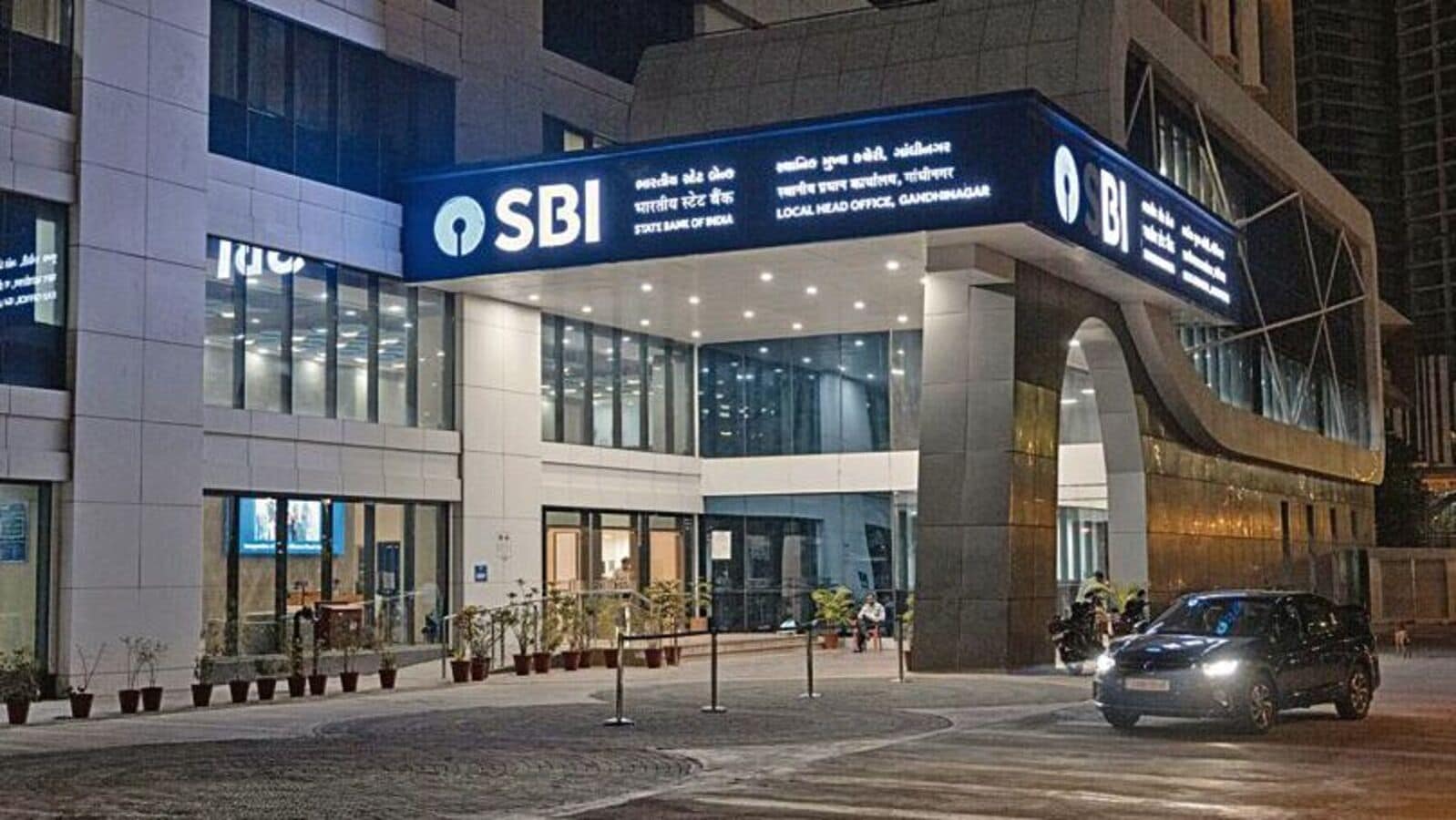
Mumbai: The country’s largest lender State Bank of India has raised ₹25,000 crore through a qualified institutional placement (QIP) of its equity shares, making it the largest QIP executed in Indian capital markets. The board of the public sector bank announced the close of the QIP late Monday evening, and approved the issue and allotment of 30.6 crore shares at an issue price of ₹817 each.
The QIP was subscribed 4.5 times, with 64.3% bids being made by foreign investors. Marquee long-term investors received around 88% of the final allocation, including 24% of the issue size getting placed with foreign long-term investors, the bank said in a release.
“This landmark equity raise is a vote of confidence in SBI’s solid fundamentals, prudent risk management and digital-first growth agenda,” SBI Chairman C.S. Setty was quoted as saying in the release.
Capital raise
The bank said it will use the proceeds from the share issue to augment its common equity tier-I (CET-1) capital buffer, which will improve to 11.50% from 10.81% as on March 31, 2025. This capital raise will support calibrated credit growth across retail, MSME and corporate segments, it added.
Life Insurance Corp (LIC) of India had participated in SBI’s QIP, acquiring 6.1 crore shares for ₹5,000 crore, the insurer informed the exchanges post market hours on Monday. LIC said it expects to receive the shares by 23 July and for them to be listed by 24 July. Post issue, the shareholding of the insurance company in SBI will rise to 9.49% of the paid-up capital of the bank from 9.21% earlier.
The latest QIP is the first one for the bank since FY18, when it had raised ₹18,000 crore. The issue is part of SBI’s mega fund-raising plan for FY26, Mint had reported on 16 July. Looking to beef up its capital ratios, the public sector bank is looking to tap both the debt and equity markets to raise up to ₹45,000 crore in FY26.
SBI had announced its plan for a QIP in May, and the proposal was approved by its shareholders on 13 June. The issue opened for subscription on 16 July with a floor price of ₹811.05. Shares of the bank ended 0.2% higher today at ₹824.60 on the NSE.
On the day of the launch of the QIP issue, SBI had also announced board approval to raise up to ₹20,000 crore through Basel III-compliant additional Tier-I (AT1) and Tier-II bonds, in one or more tranches.
SBI was the largest issuer of bank bonds in FY25, raising a cumulative ₹27,500 crore. Of this, ₹5,000 crore through AT1 bonds and ₹22,500 crore through multiple tranches of tier-II bonds. With the estimated fundraising for FY26, the public sector lender is expected to be the largest bond issuer this year, as well, as per Mint’s report.
Against the regulatory requirement of 12.1%, SBI’s capital adequacy ratio, or risk buffer, was 14.25% at the end of March, slightly lower than 14.28% a year ago. The bank still lags peers like HDFC Bank (19.6%) and Bank of Baroda (17.2%), which is the likely cause for the ongoing fund-raising drive.
SBI’s consolidated common equity Tier 1 ratio (CET1) improved to 11.1% as of March this year from 10.3% as of March 2022, Moody’s India said in a note earlier on Monday, adding that the bank’s plan to raise new equity capital and capital gains from the partial sale of its stake in YES Bank will help improve the CET1 ratio further, supporting its balance sheet buffers.
The ratings agency said funding and liquidity will continue to be SBI’s credit strengths, as the largest bank in India with 23% deposit market share, with most funding coming from retail deposits.
In May 2025, SBI had announced that it plans to sell over 413 crore equity shares of YES Bank, or 13.19% stake, to Japan-based Sumitomo Mitsui Banking Corp. (SMBC) for ₹8,889 crore.
SBI’s strongest retail franchise amongst Indian banks, access to low-cost deposits, and sufficient holdings of liquid government securities support its funding and liquidity, Moody’s said. The ratings agency upgraded SBI’s Baseline Credit Assessment (BCA) and Adjusted BCA to ‘baa3’ from ‘ba1’, with a stable outlook on the ratings.
“The upgrade of the bank’s BCA is driven by our expectation that the bank’s internal capital generation, along with opportunistic external capital raise, will improve its capitalization over the next 12-18 months, bringing its standalone credit profile in line with the other similarly rated peers,” the note said, pegging the bank’s loan growth at 12% for FY26, in line with the industry level growth.