




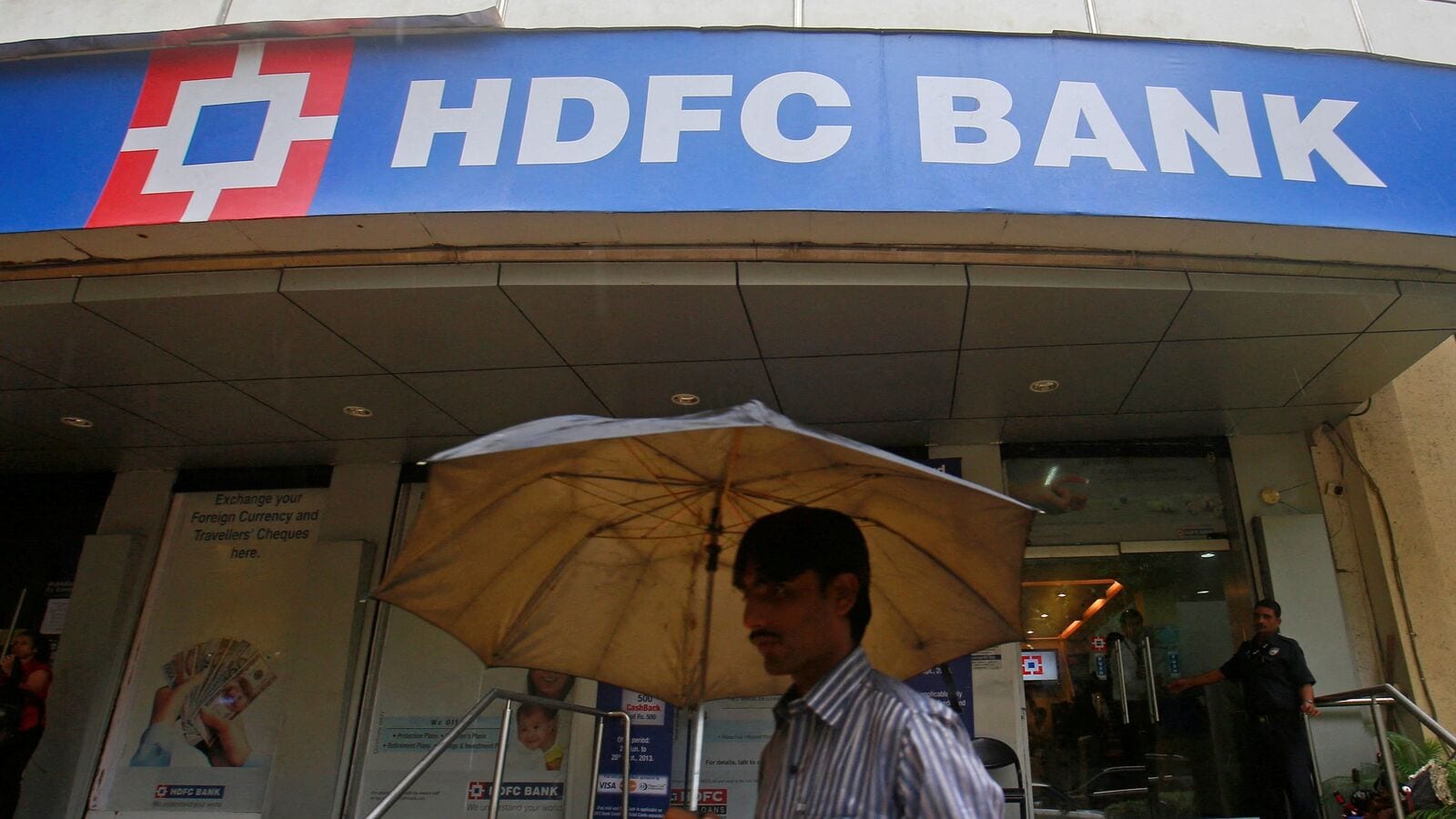
Mumbai: India’s largest private sector lender HDFC Bank has identified over 15 programmes that will use generative artificial intelligence (GenAI), chief executive Sashidhar Jagdishan told shareholders in the FY25 annual report.
The bank, said Jagdishan, has transitioned from pilot projects to centralised, “platform-driven GenAI strategy” for improving staff productivity and customer service. The bank has also launched a GenAI Academy to accelerate capability in generative AI.
“As GenAI becomes central to both current and future organisational capability, we are investing in developing skills in this space through a structured academy model, offering robust curriculum and tiered proficiency levels,” he said.
Mint reported in December that banks like SBI, Bank of Baroda, Axis Bank, and HDFC Bank are developing targeted AI use cases through internal teams and external experts. Experts had then pointed out that the rise of AI in Indian banking was a long time coming.
Traditionally, banks were going to tech services firms to deploy such technologies, but today, as the tech ramps up, they have become one of the biggest recruiters of engineering talent.
Jagdisdhan said that with rising threats like phishing, deepfakes, and impersonation scams, the bank has upgraded to the next generation cybersecurity operations centre (CSOC), powered by AI and machine learning capabilities.
He added that the bank also checks their systems regularly for any weakness through vulnerability assessment and penetration testing programmes to monitor all digital entry points to manage exposure. “This also ensures the software is always up to date and strengthens protection against email-based attacks,” he said.
The bank’s ‘Vigil Aunty’ (VA) campaign, which educates customers on safe banking practices, said Jagdishan, is an example of how cybersecurity is about user awareness and tech infrastructure.
“We remain focused on being a cyber resilient, regulatorily compliant and trusted institution that can adapt and succeed in the emerging risk landscape,” he said.
Digital arrest crimes spark liability debate
Cybercrimes have again come to the fore on the back of what is referred to as digital arrest crimes. Rising incidents of digital arrest—an online scam in which perpetrators extort money from victims by impersonating high-ranking law enforcement officials and threatening arrests and other legal actions—over the past two years have caused a huge amount of money being stolen from personal accounts, with attackers often being based in other nations.
Mint reported on 14 July how a precedent-setting digital arrest hearing at India’s top consumer court last Monday put the spotlight on banks’ potentially heightened liabilities and responsibilities towards their customers amid a surge in digital arrest crimes in the country.
Meanwhile, during FY25, the bank expanded its branch network by more than 700, reaching a total of 9,455 branches as of 31 March. Over the past four years, HDFC has fully digitised most of its retail and MSME acquisition and service journeys, said Jagdishan.
The bank’s results for FY25 represented the first full year of operations since the merger when it took into its fold erstwhile parent and mortgage behemoth Housing Development Finance Corp. (HDFC) on 1 July 2023. The bank’s balance sheet expanded over 8% to ₹39.1 trillion in FY25.